Influence Profile
No genre data available
Genre information will appear here once available
Trending in Amar Singh Chamkila’s World
Latest Single
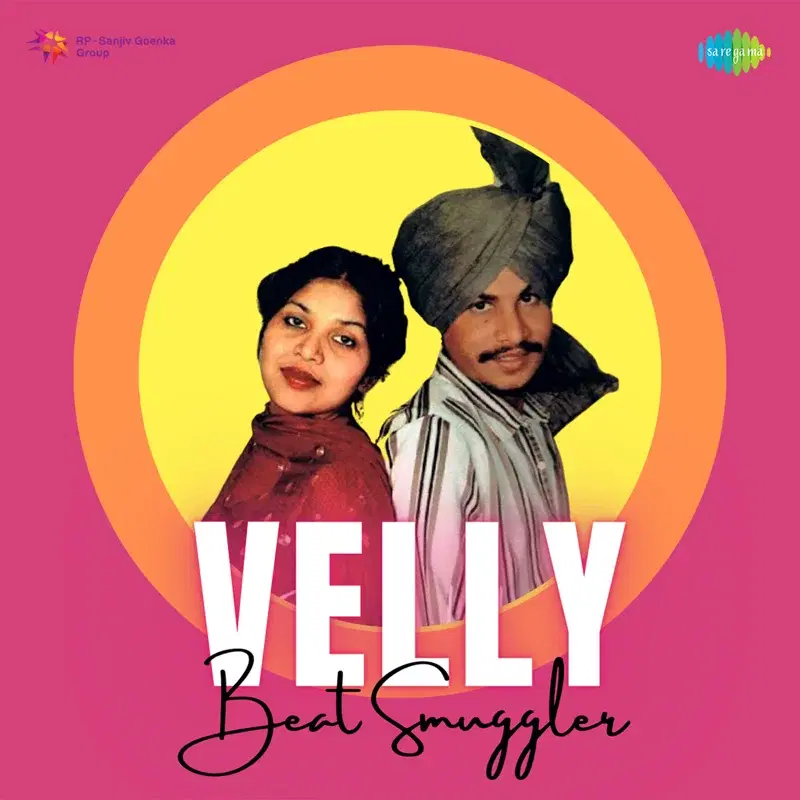
Velly
Released Sep 12, 2025
Trending Globally
No trending songs available.
EP
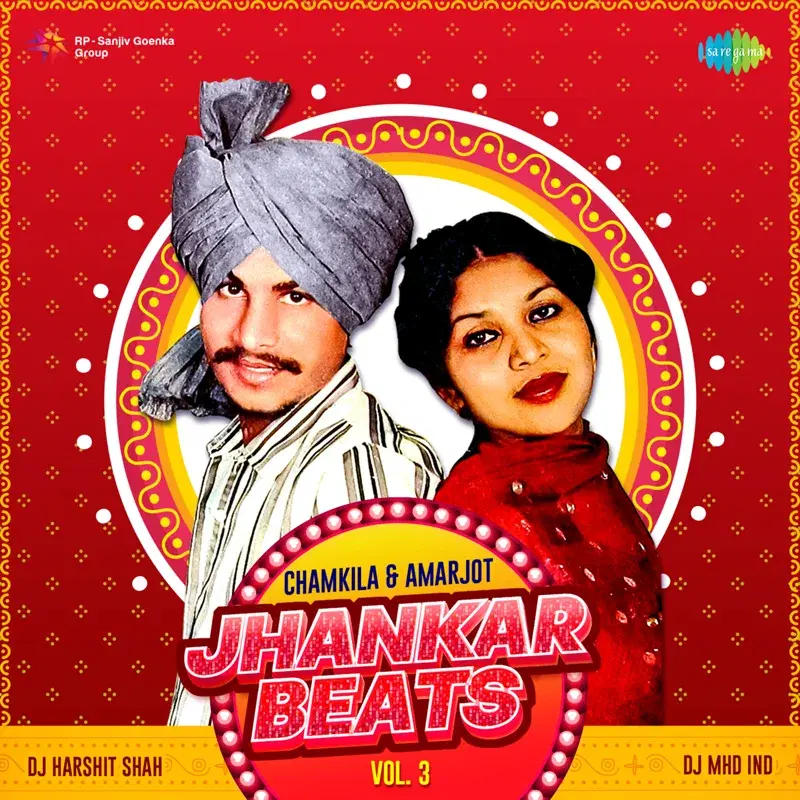
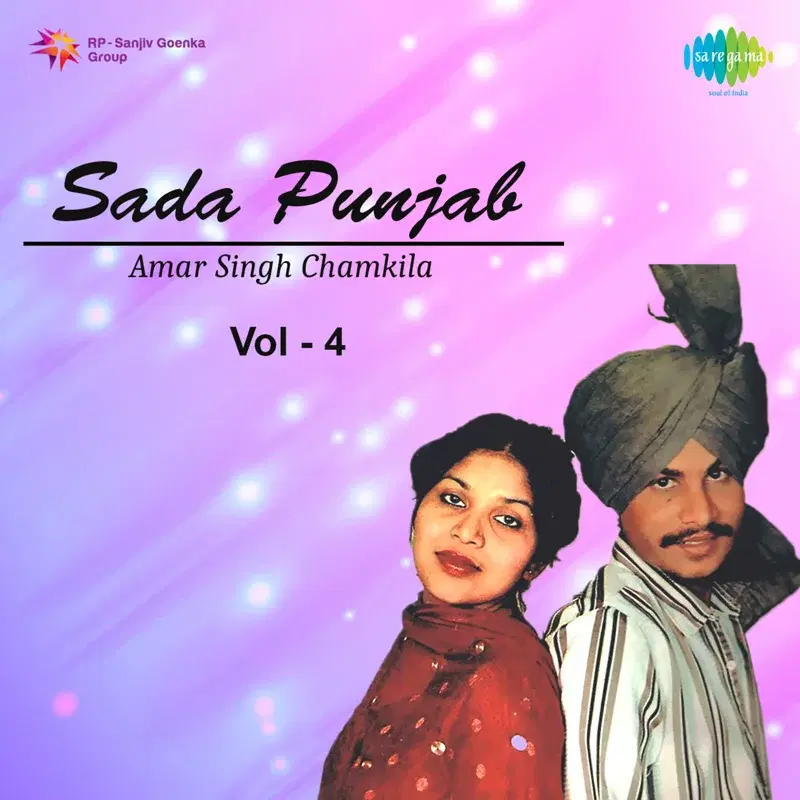
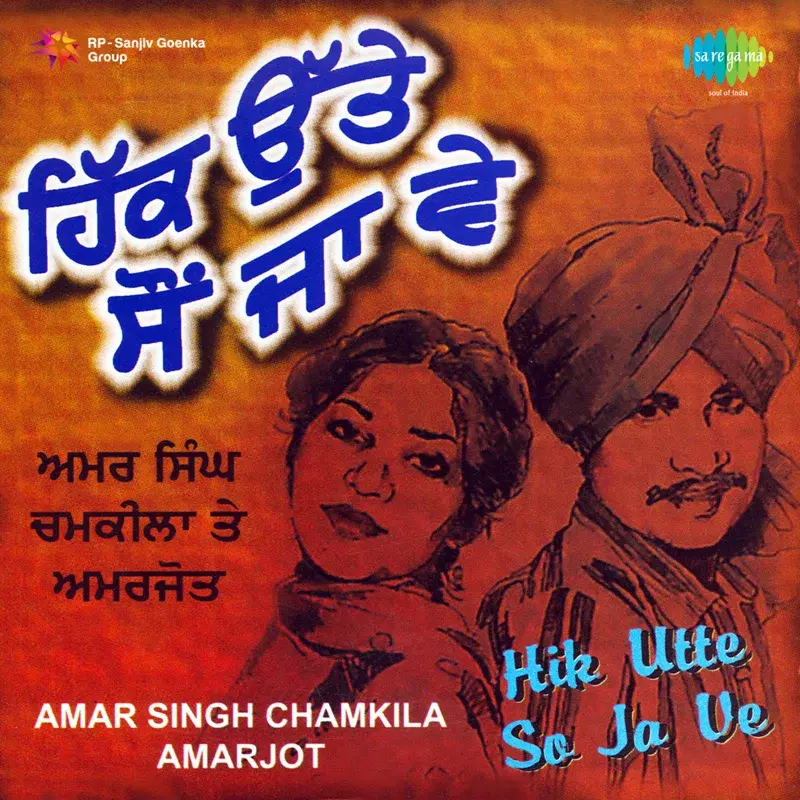

Single
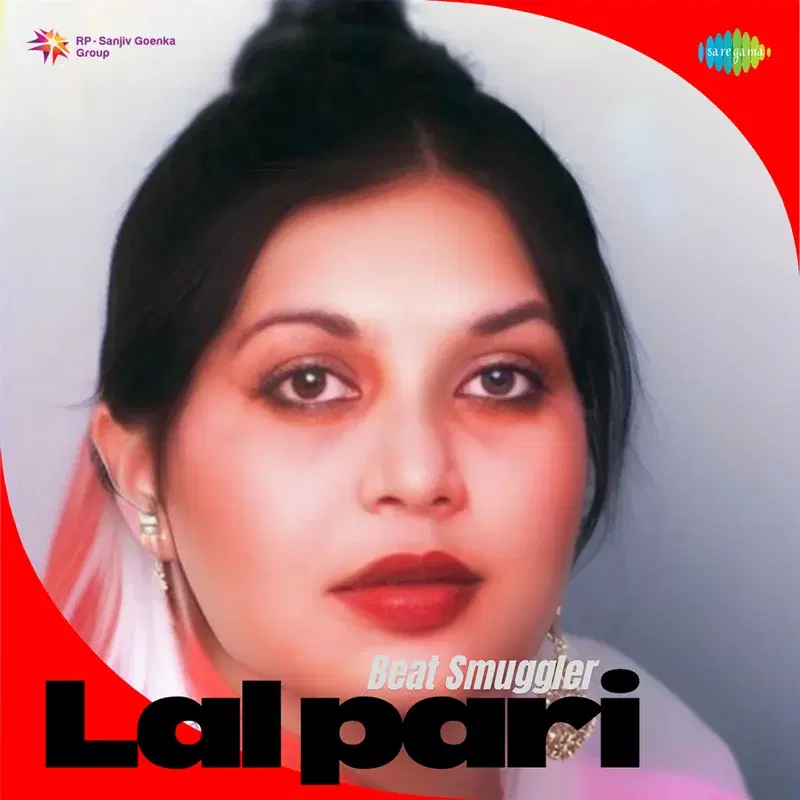
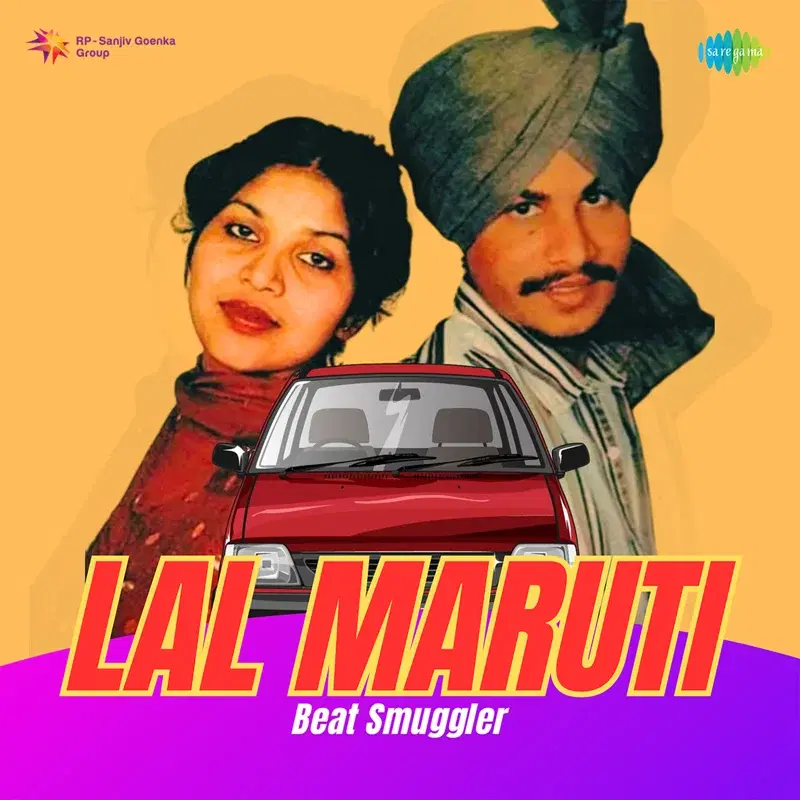
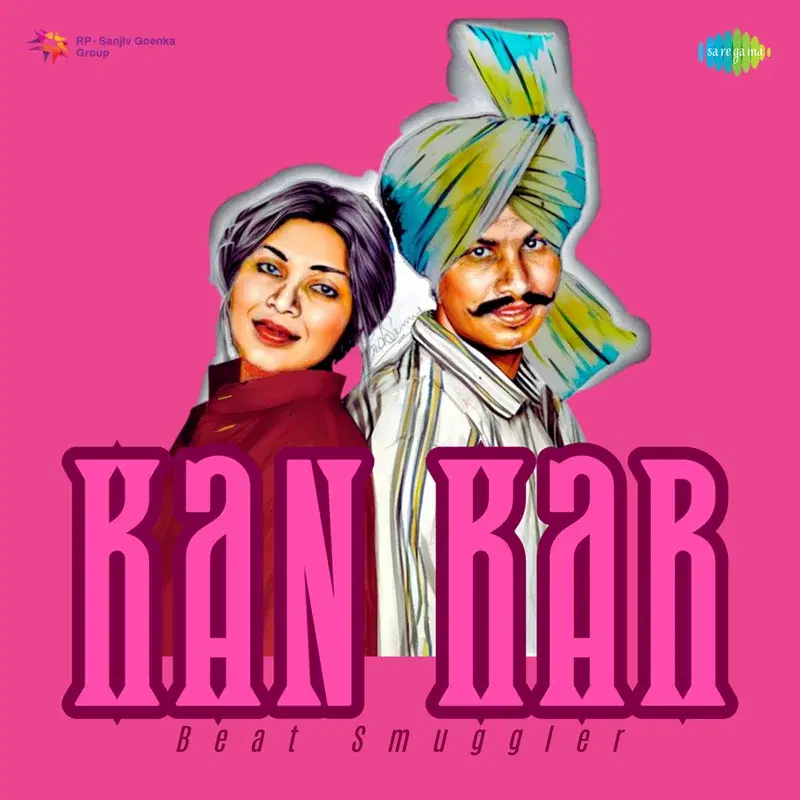
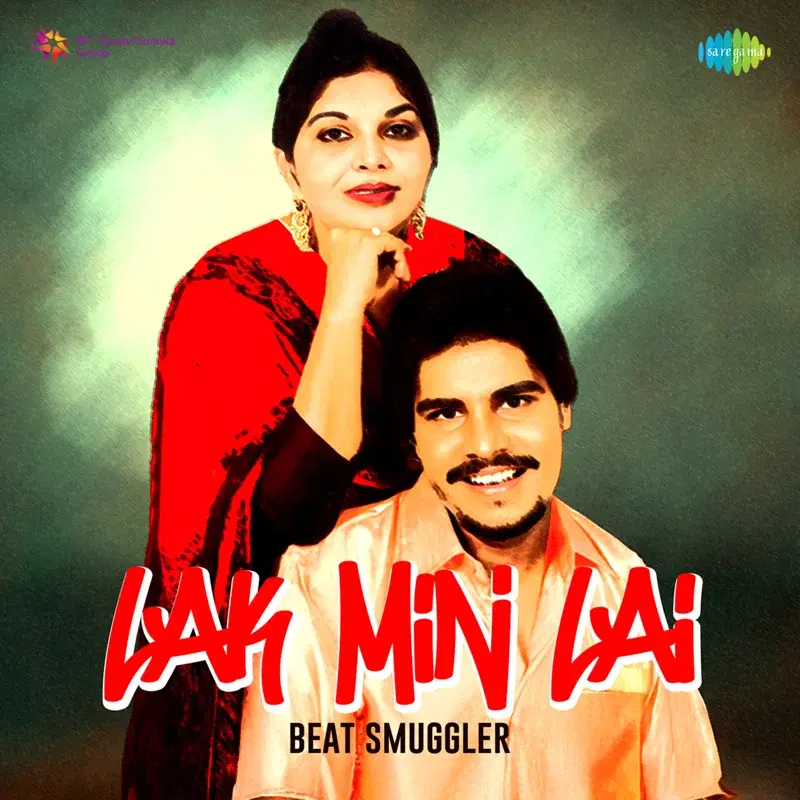
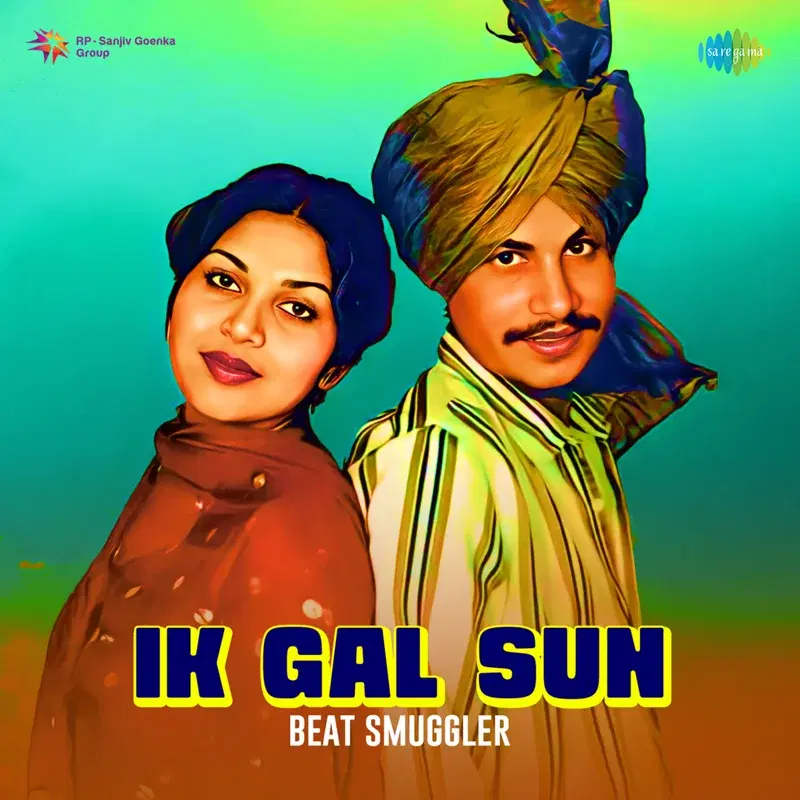
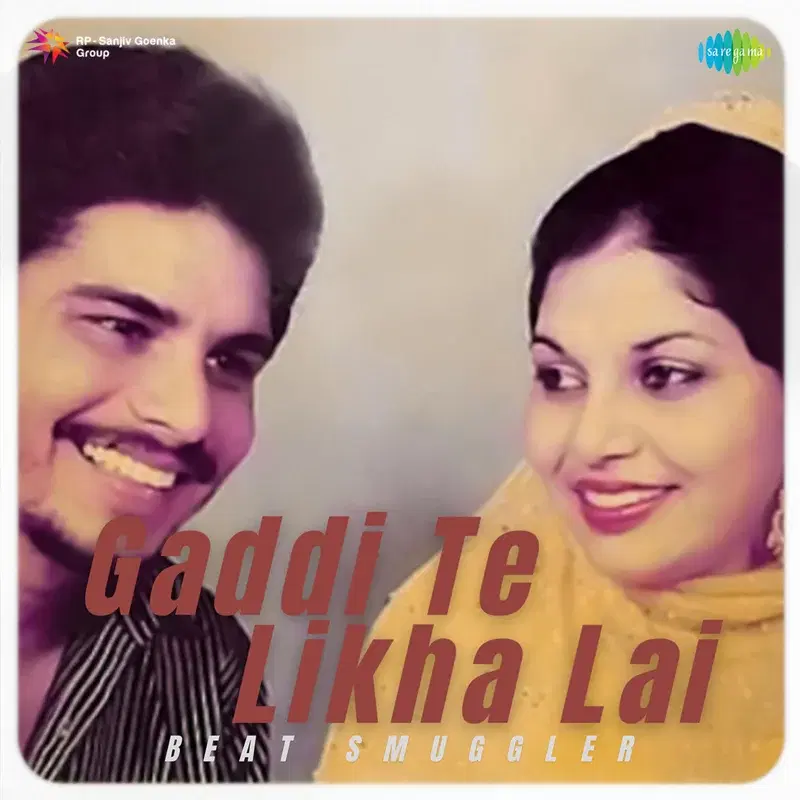
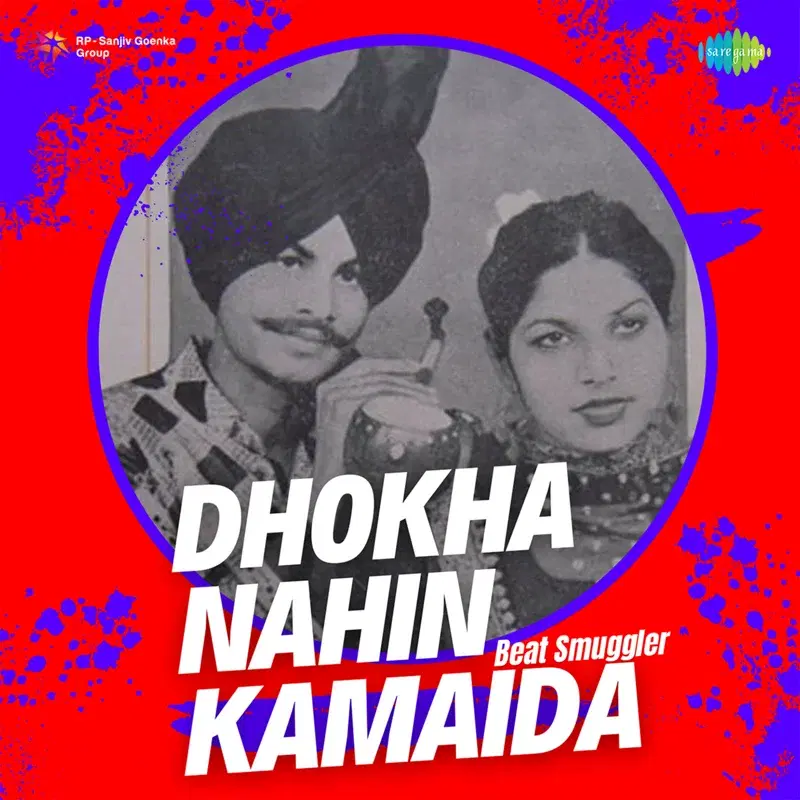
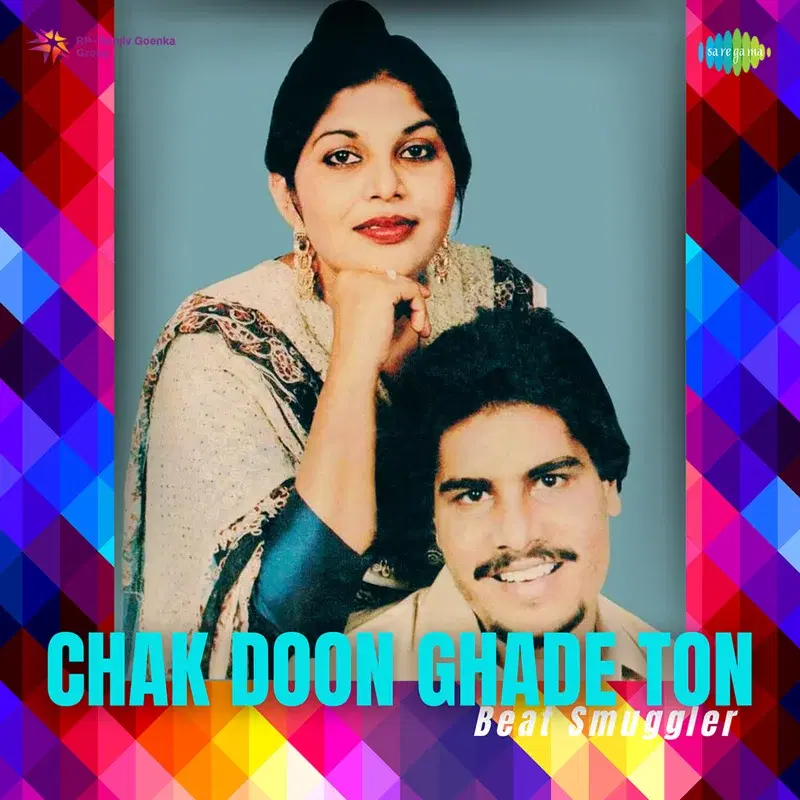








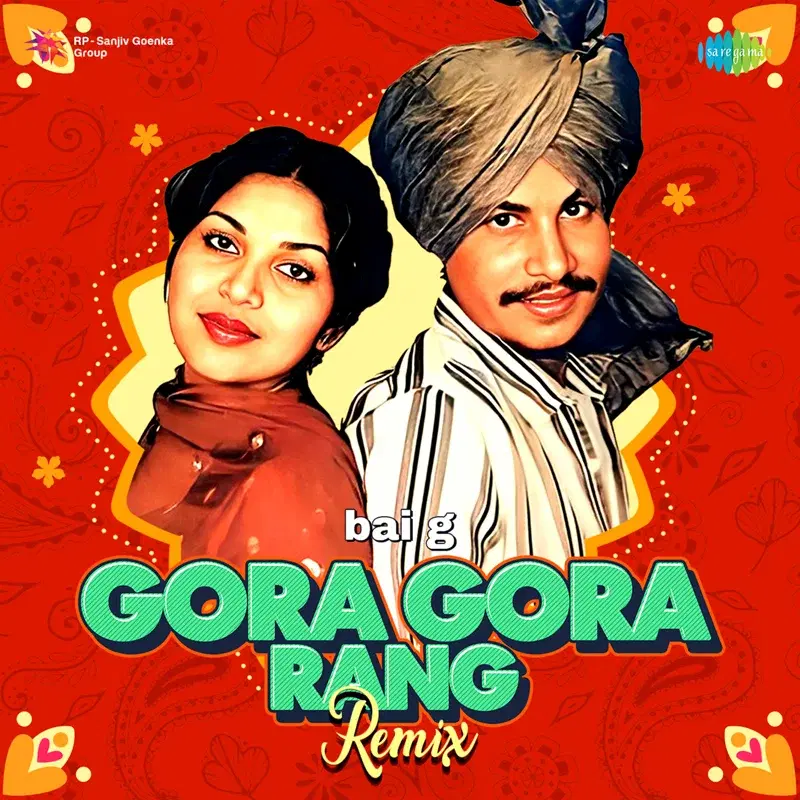
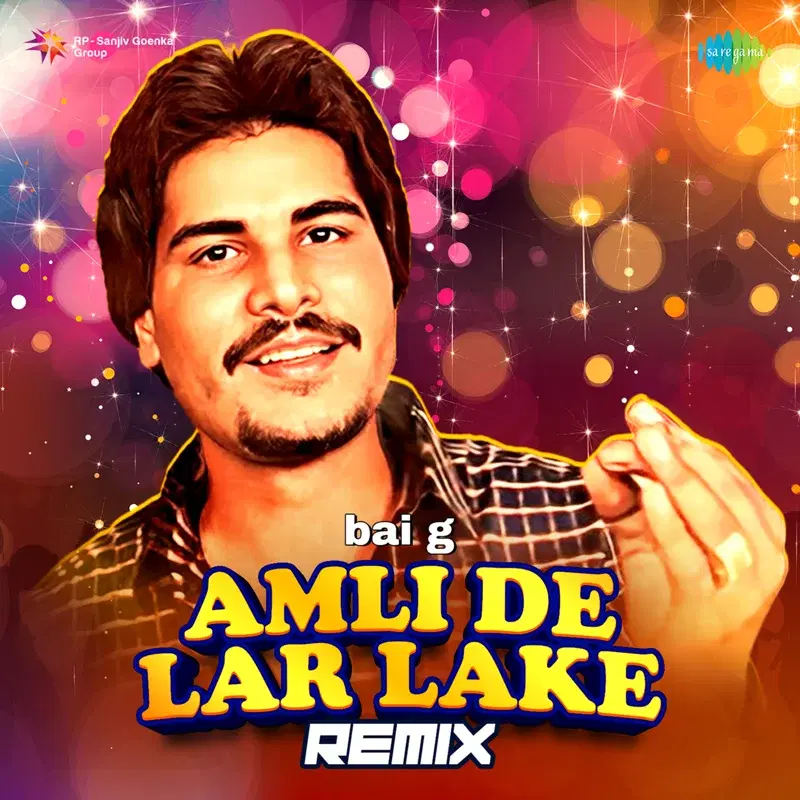
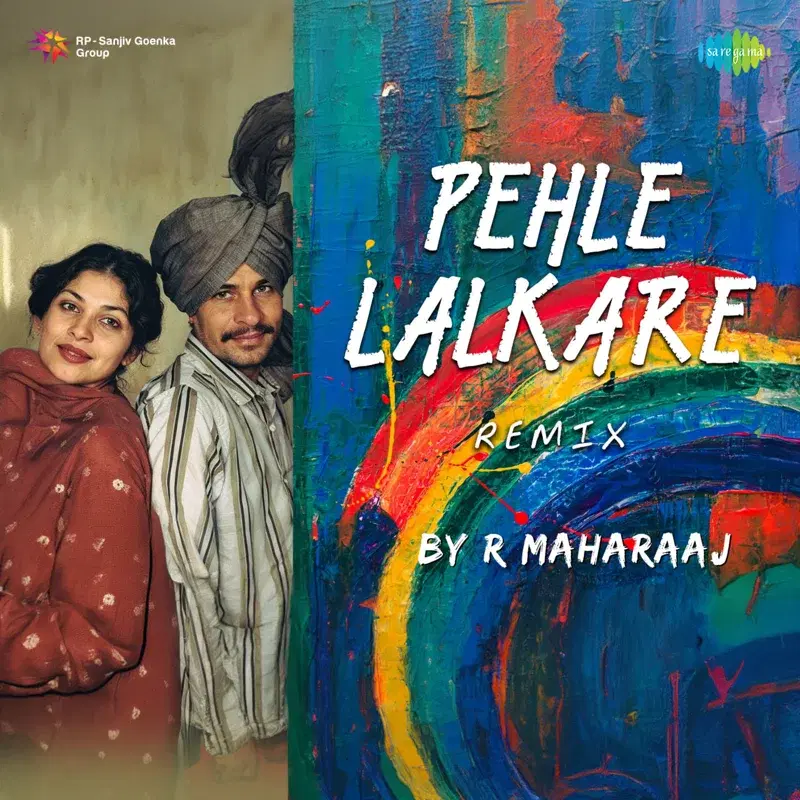
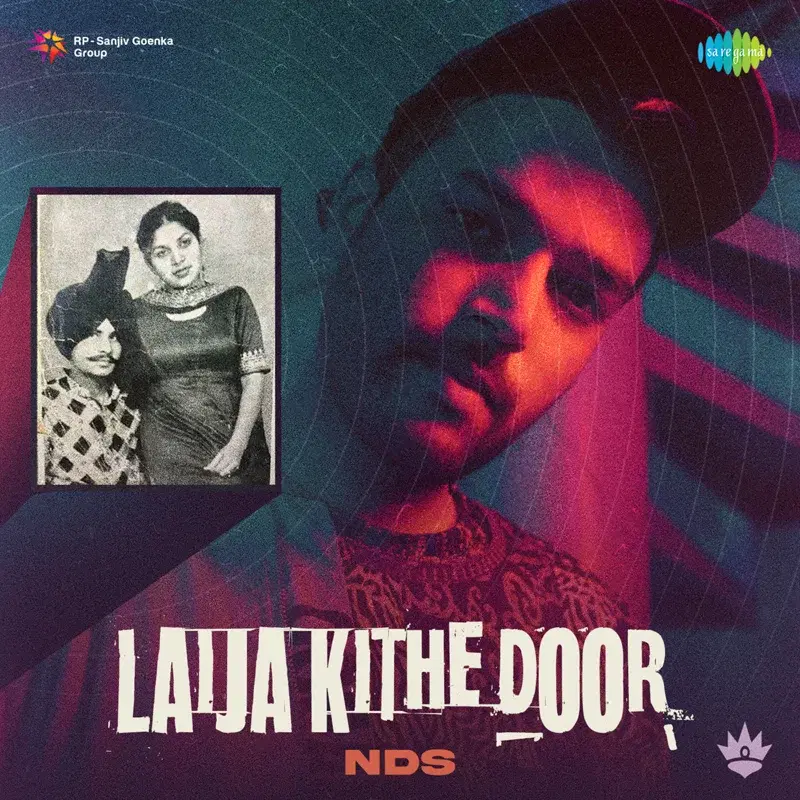
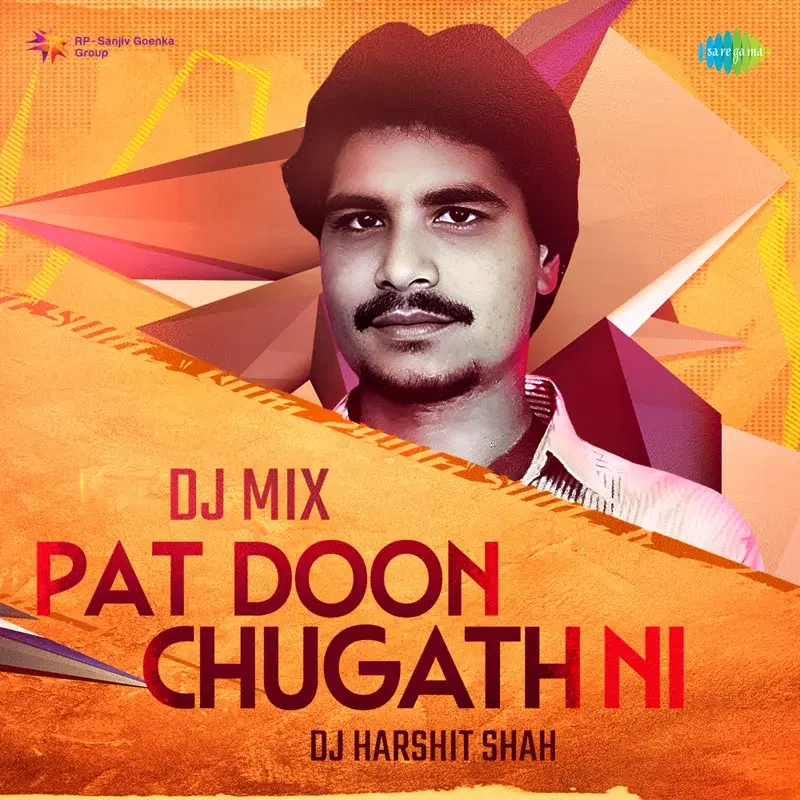
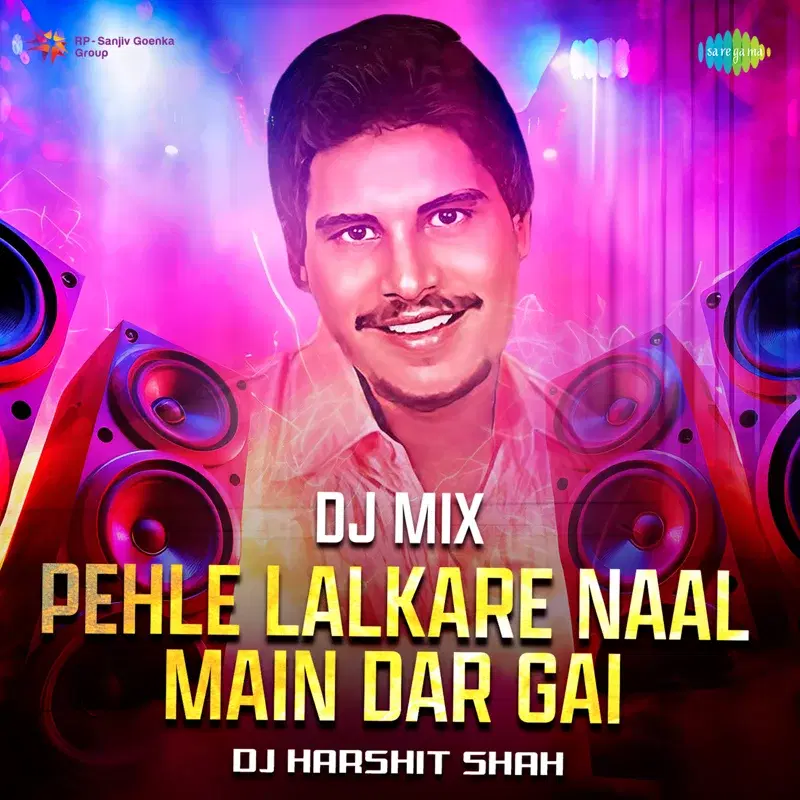
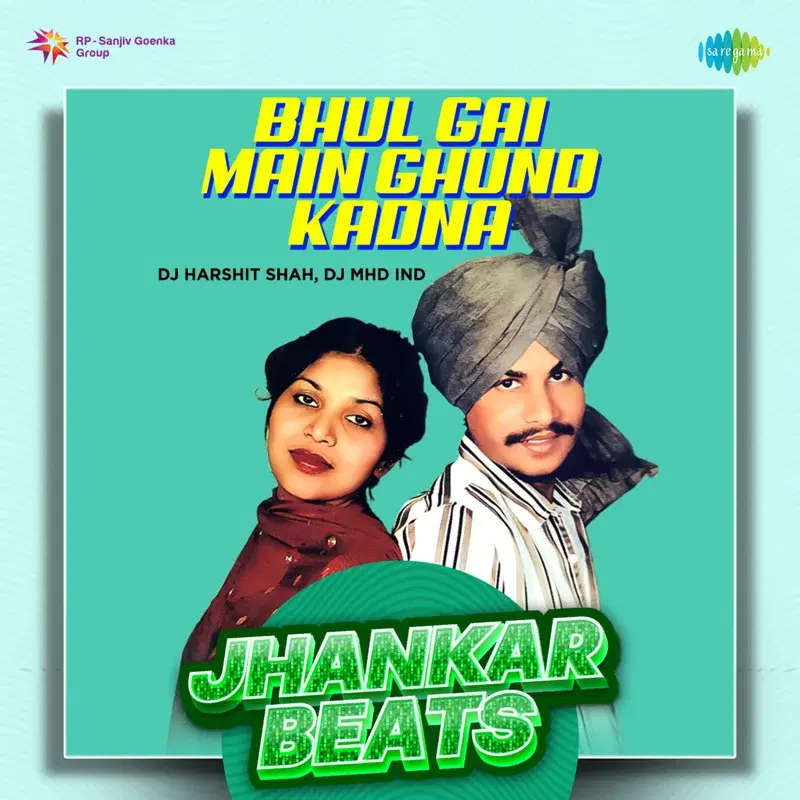
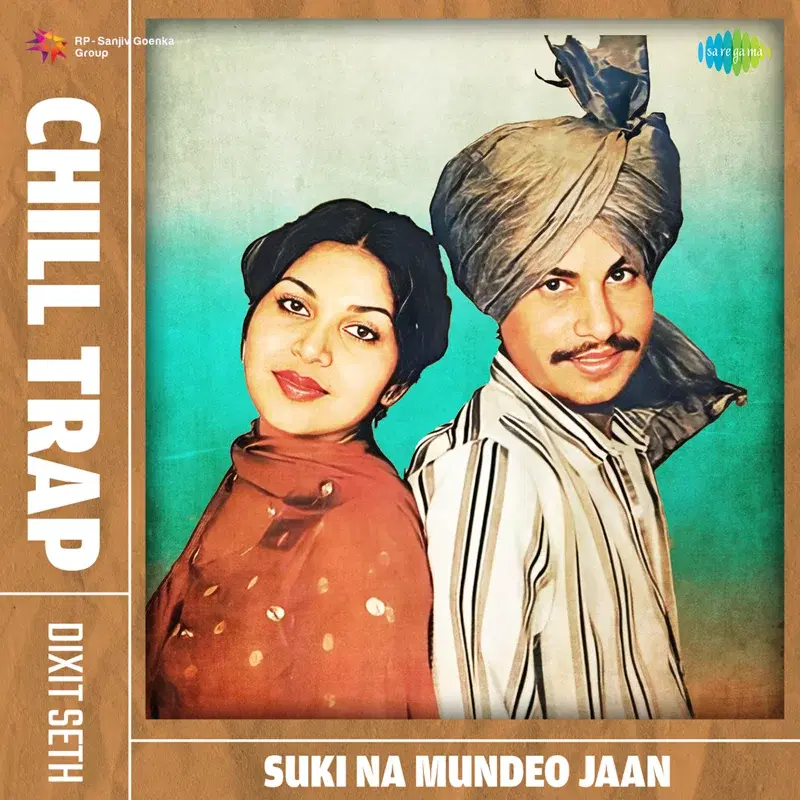
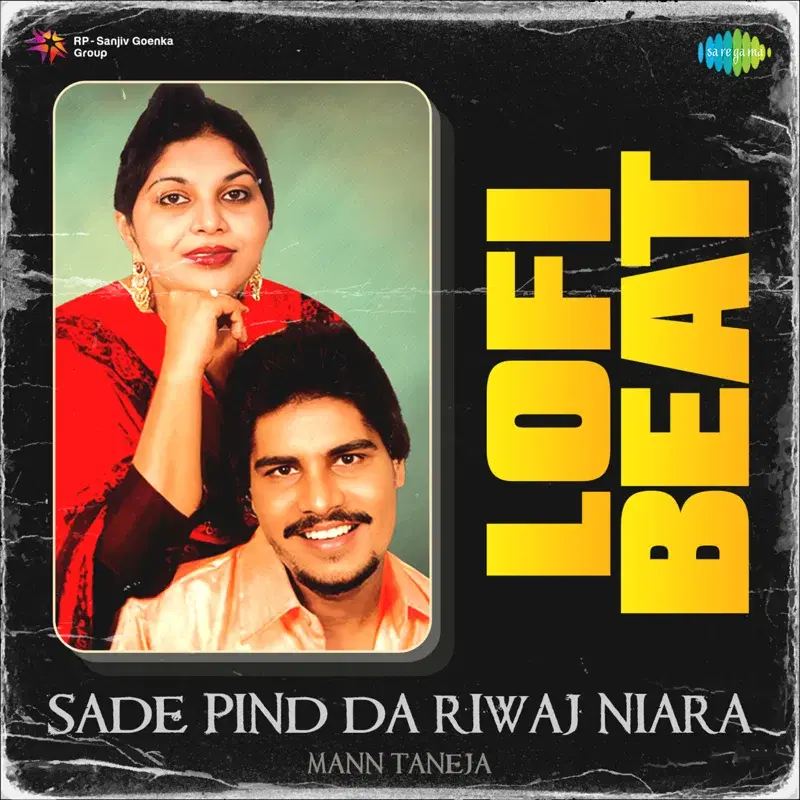
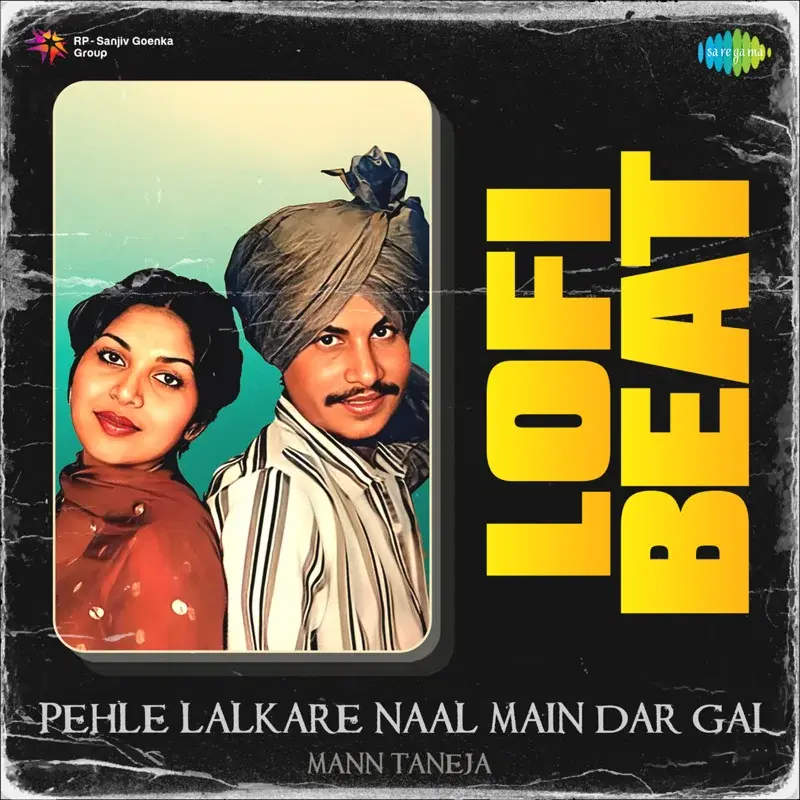
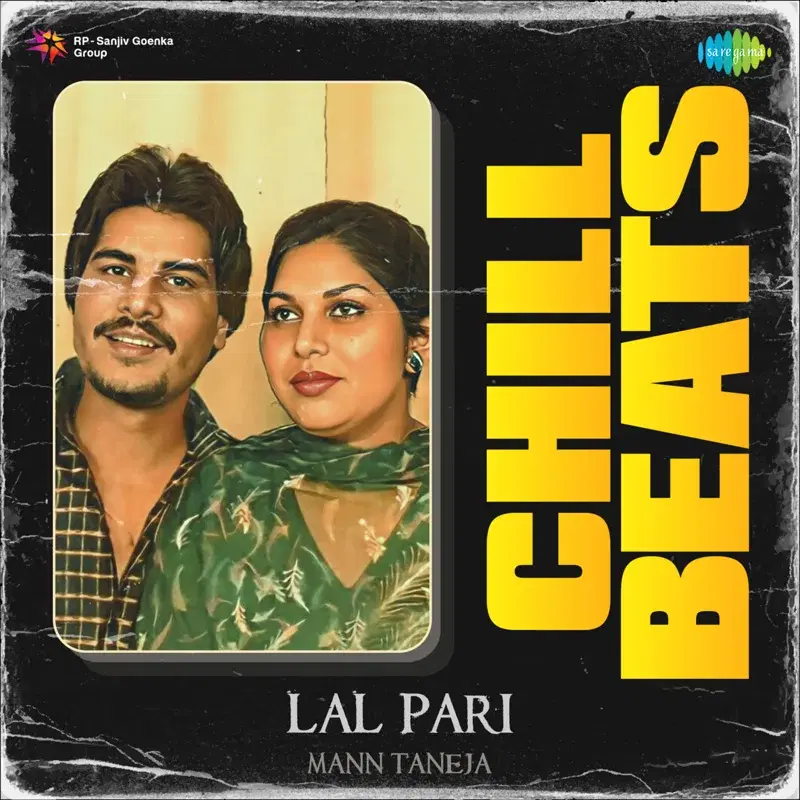
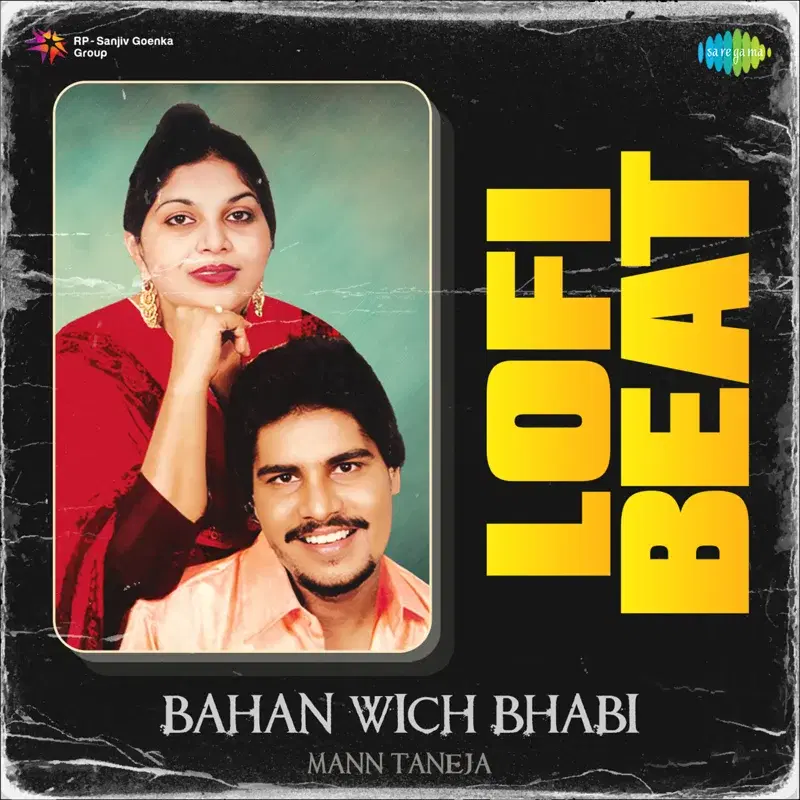
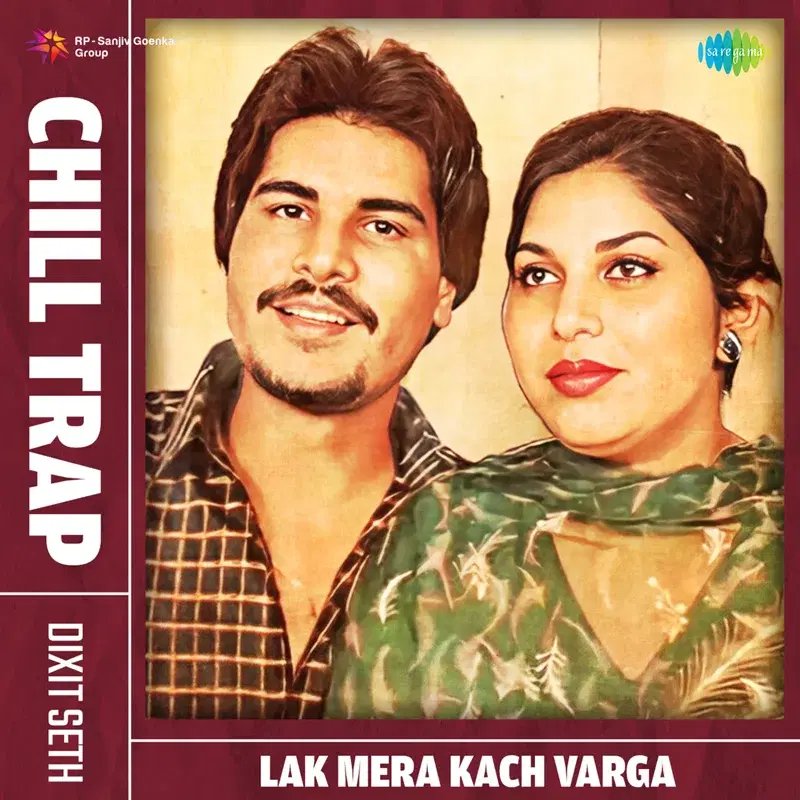
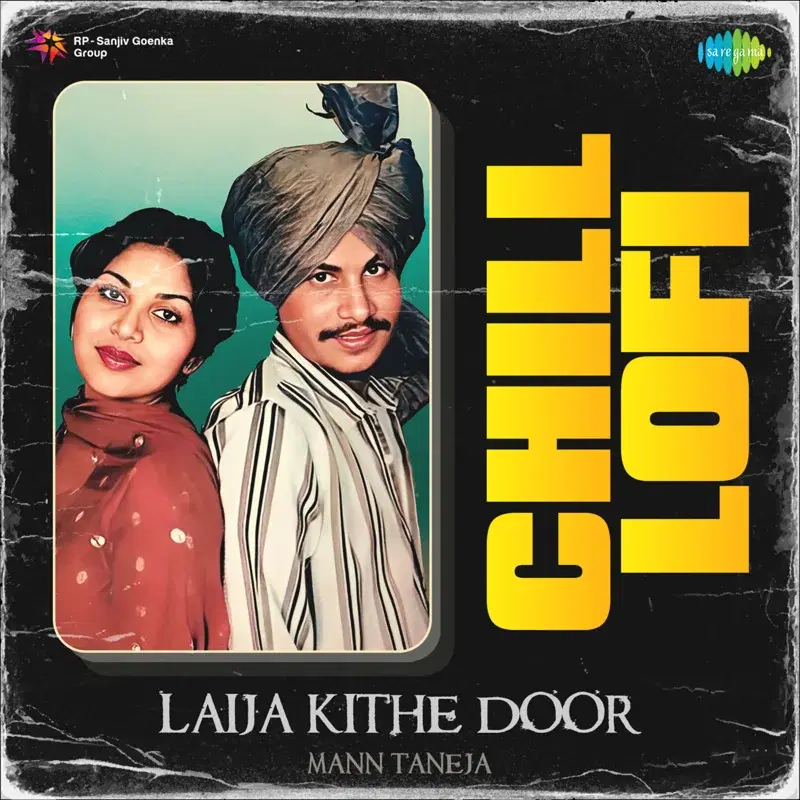
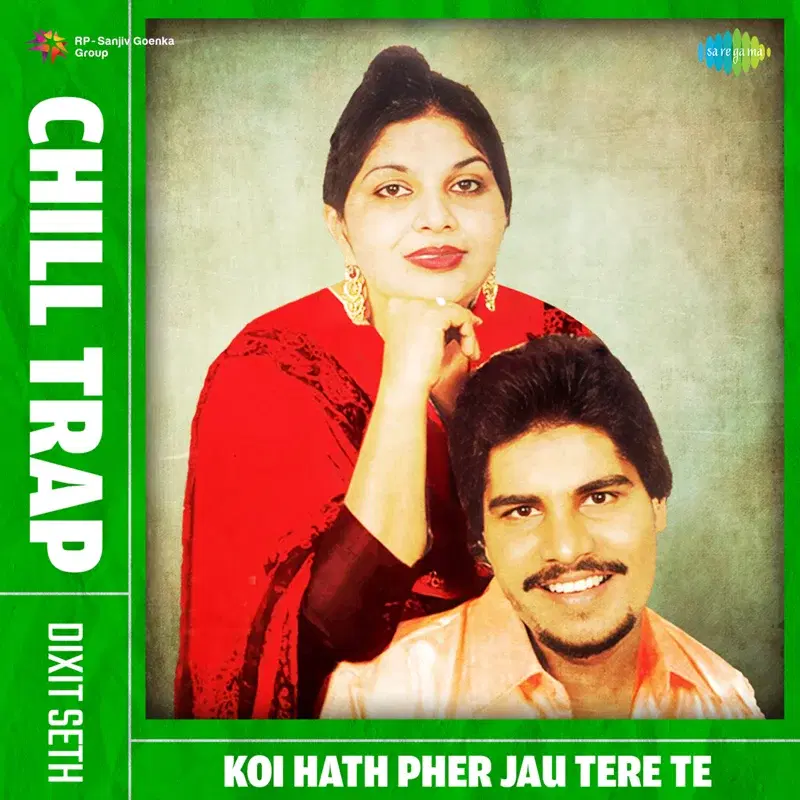
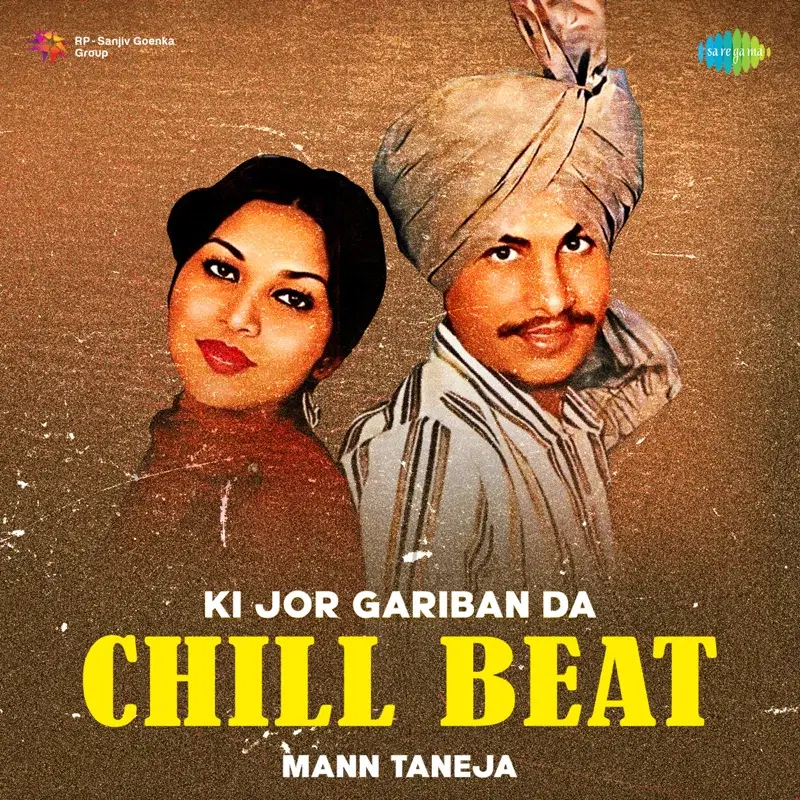
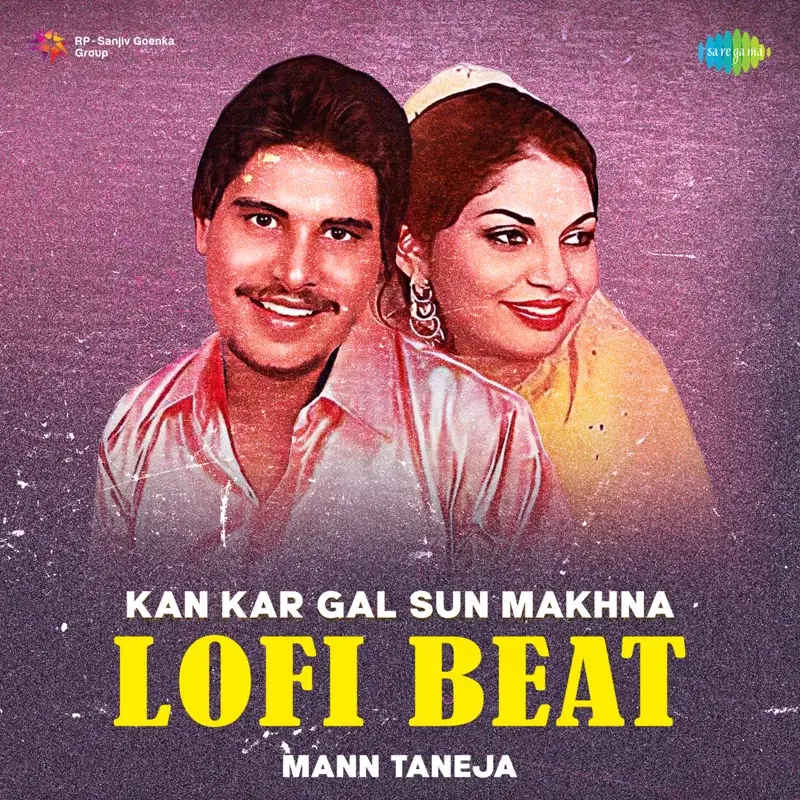
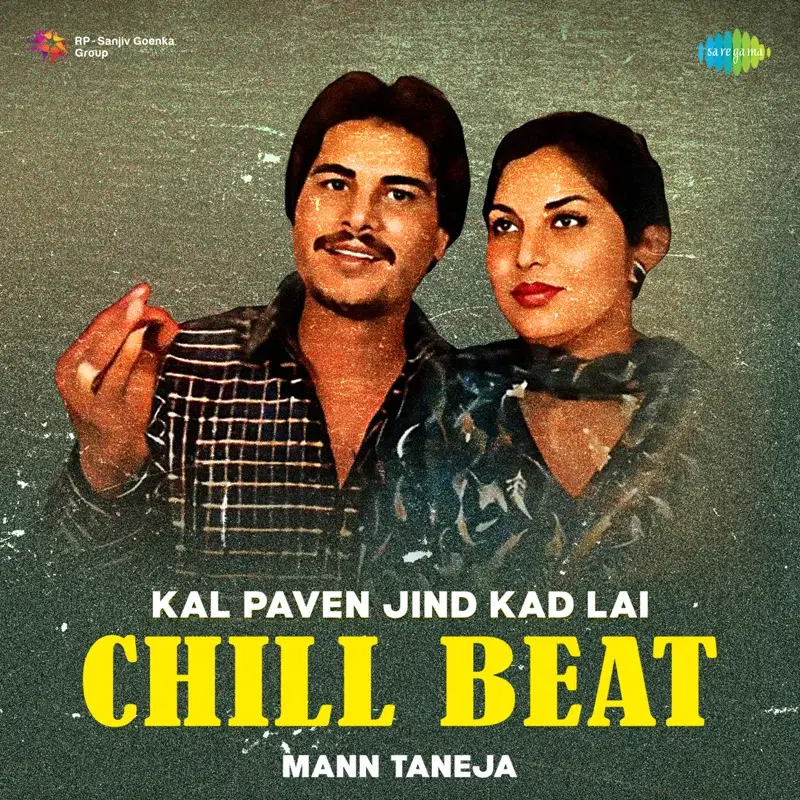
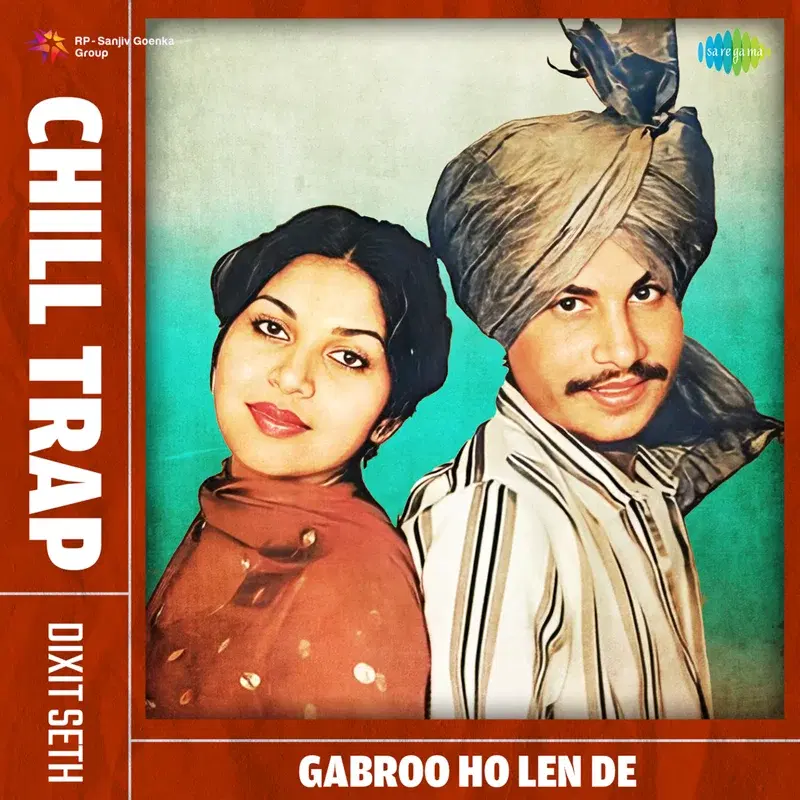
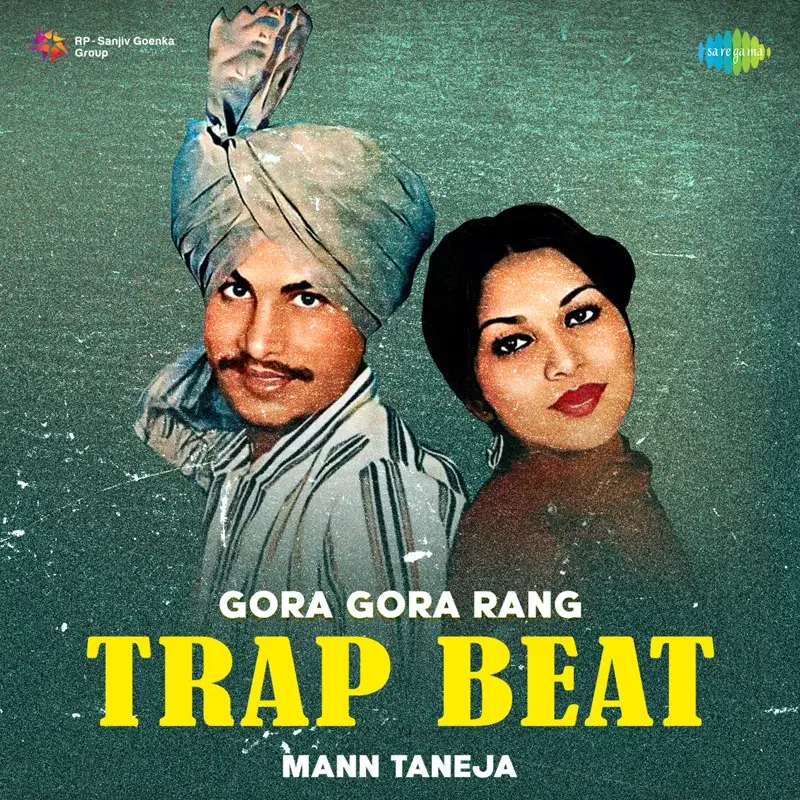
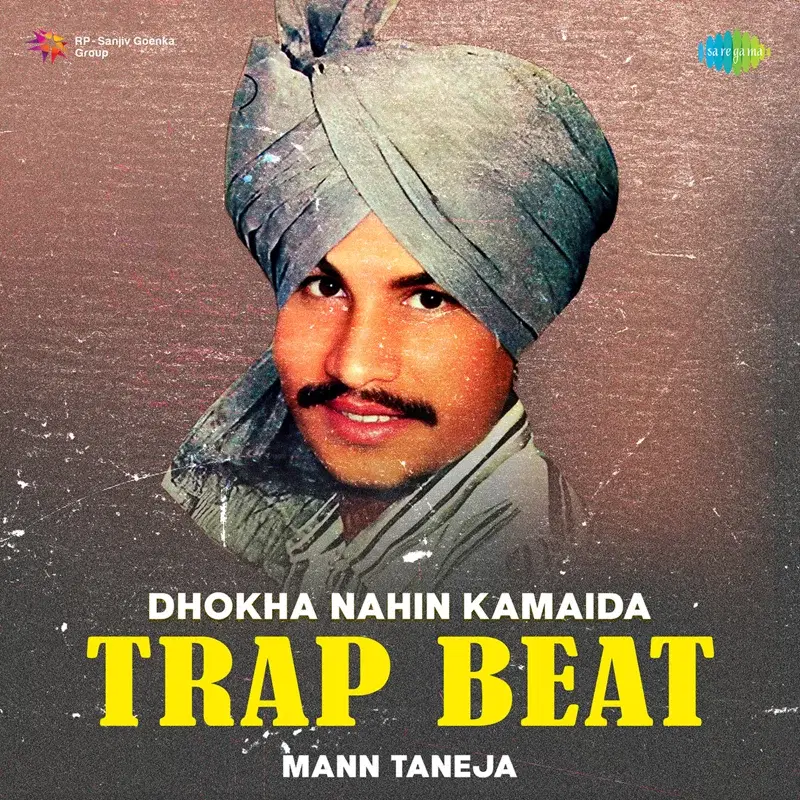
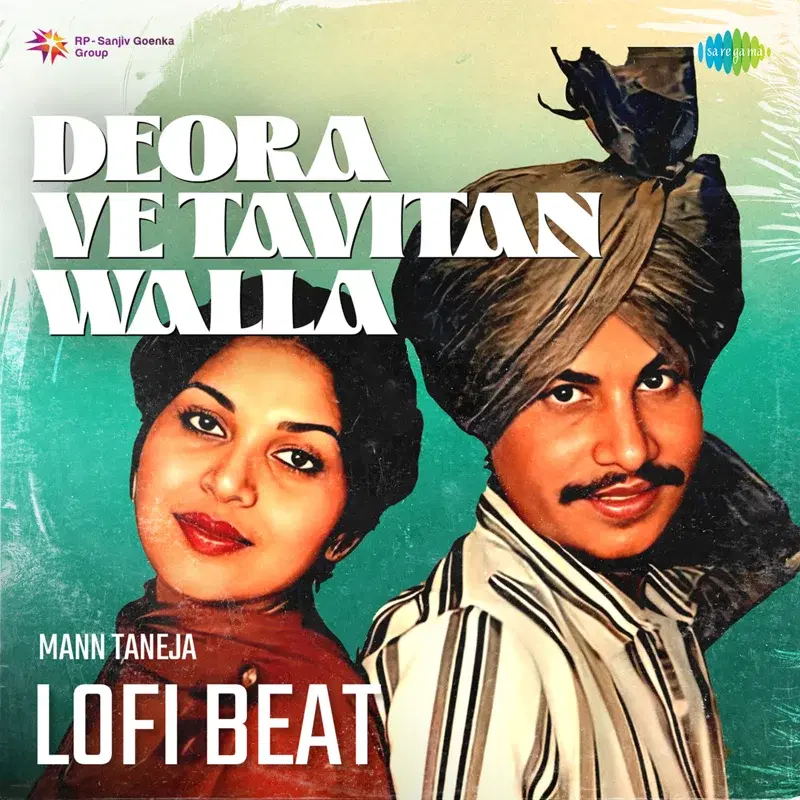
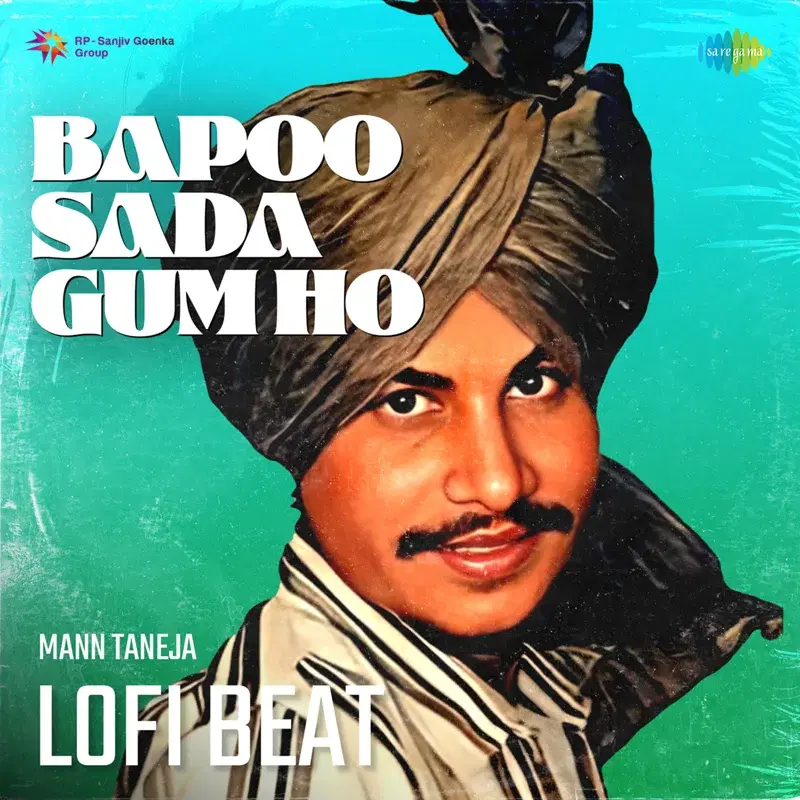
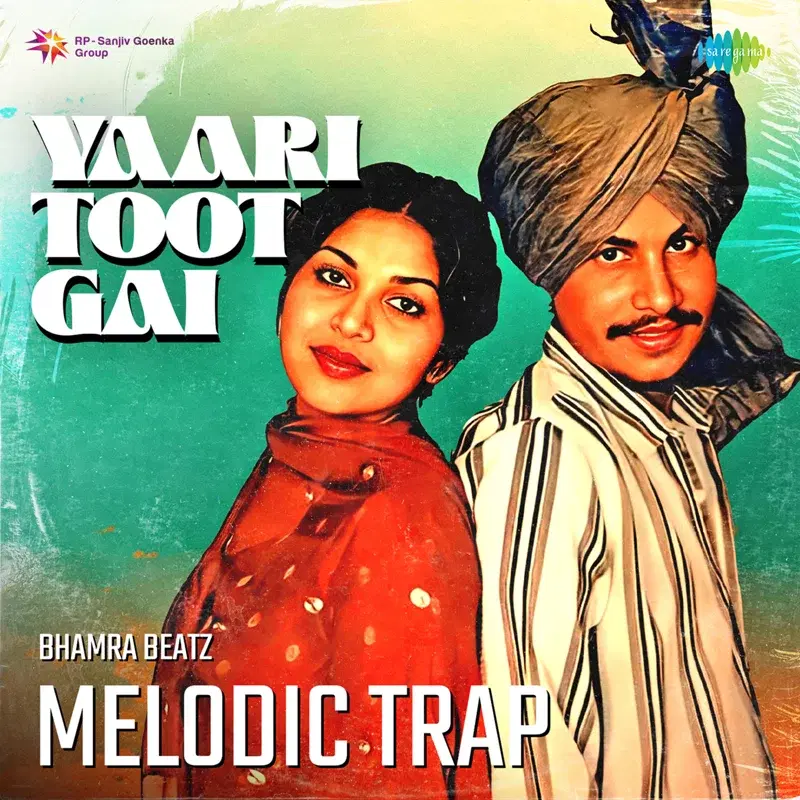
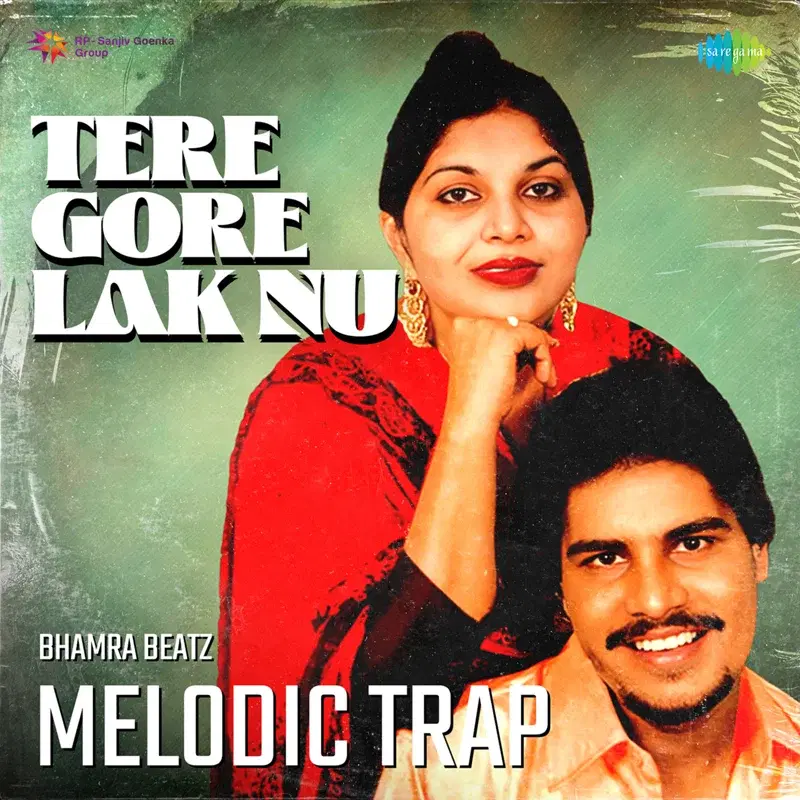
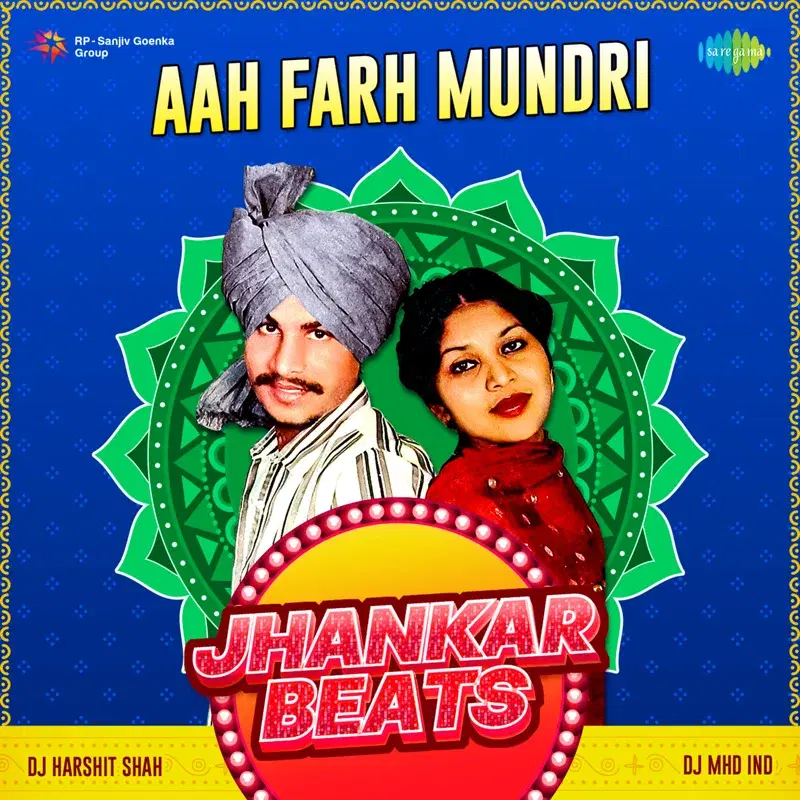
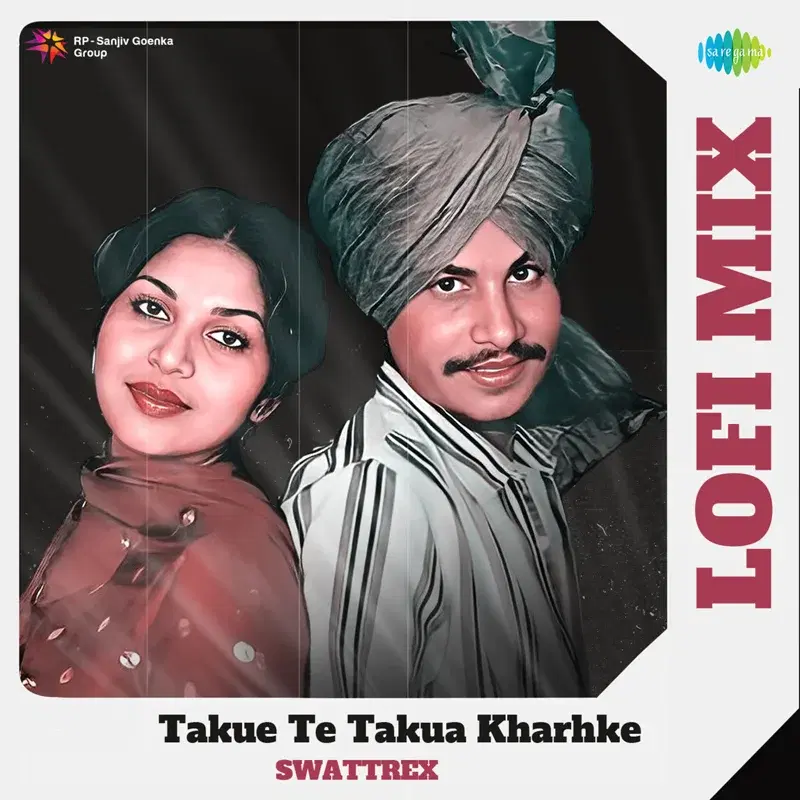
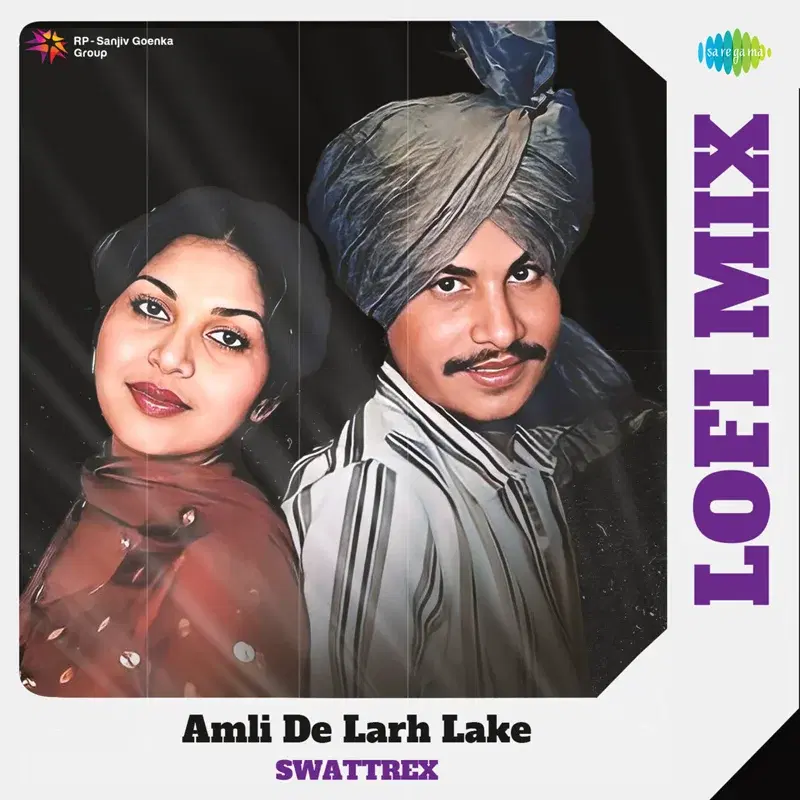
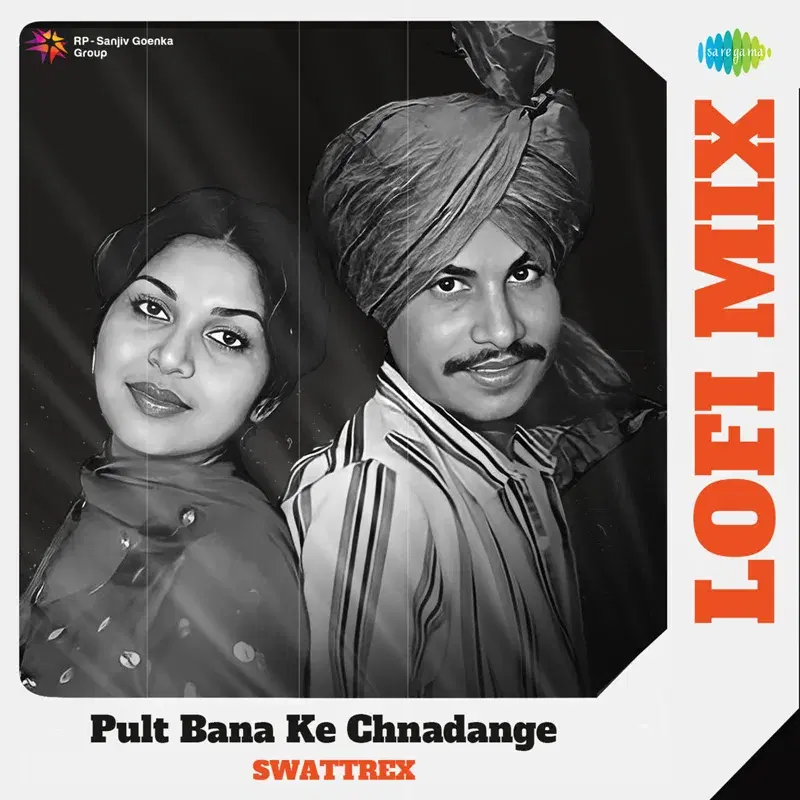
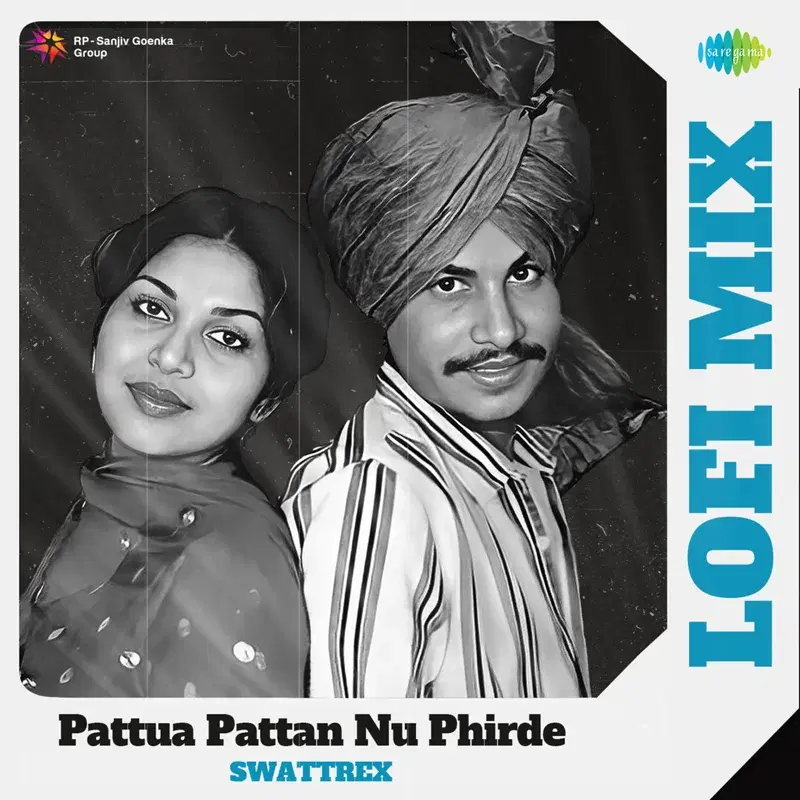
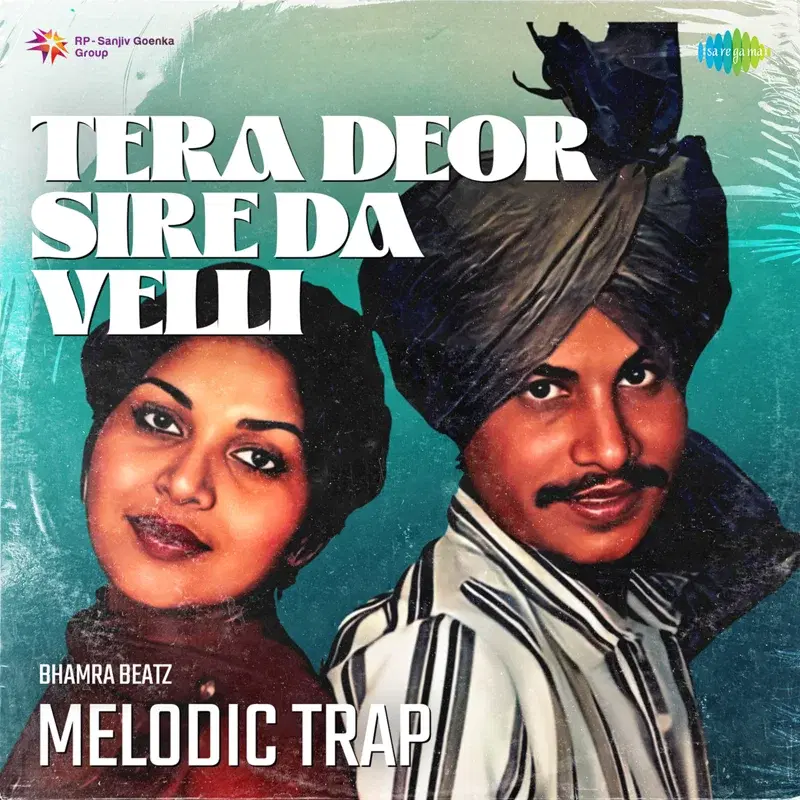
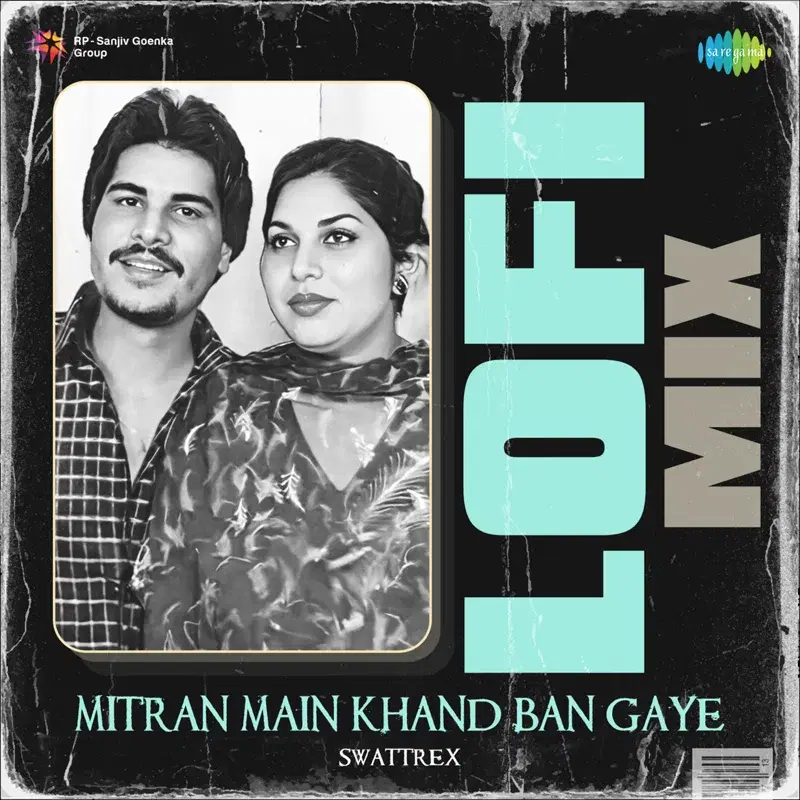
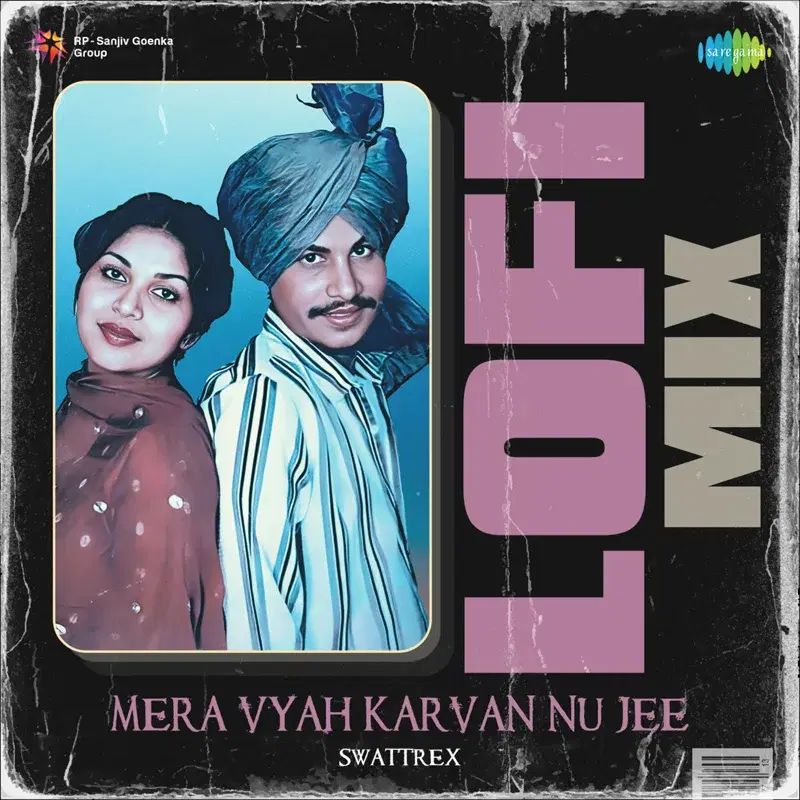
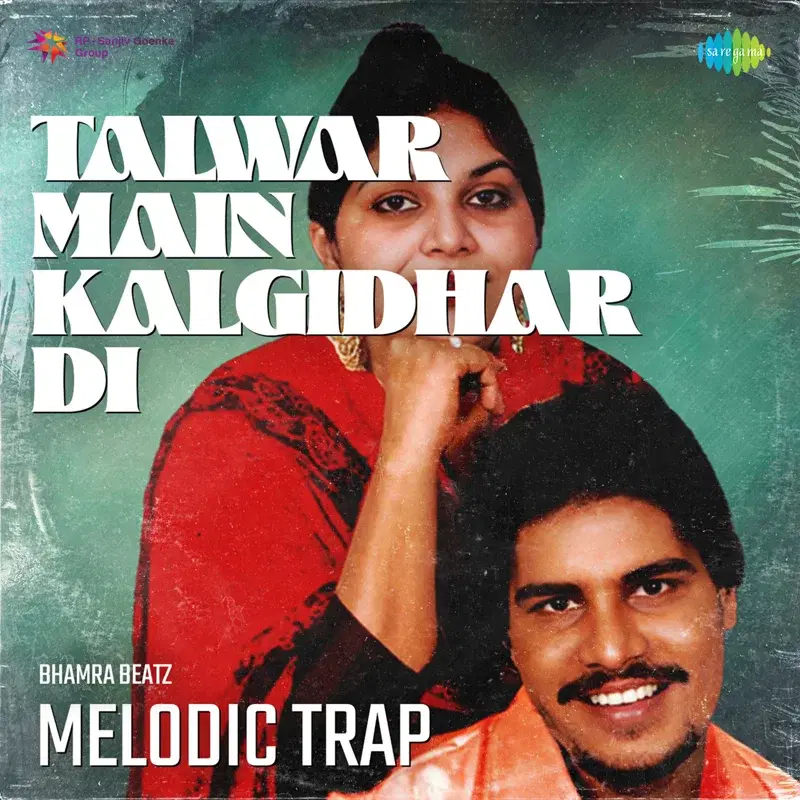
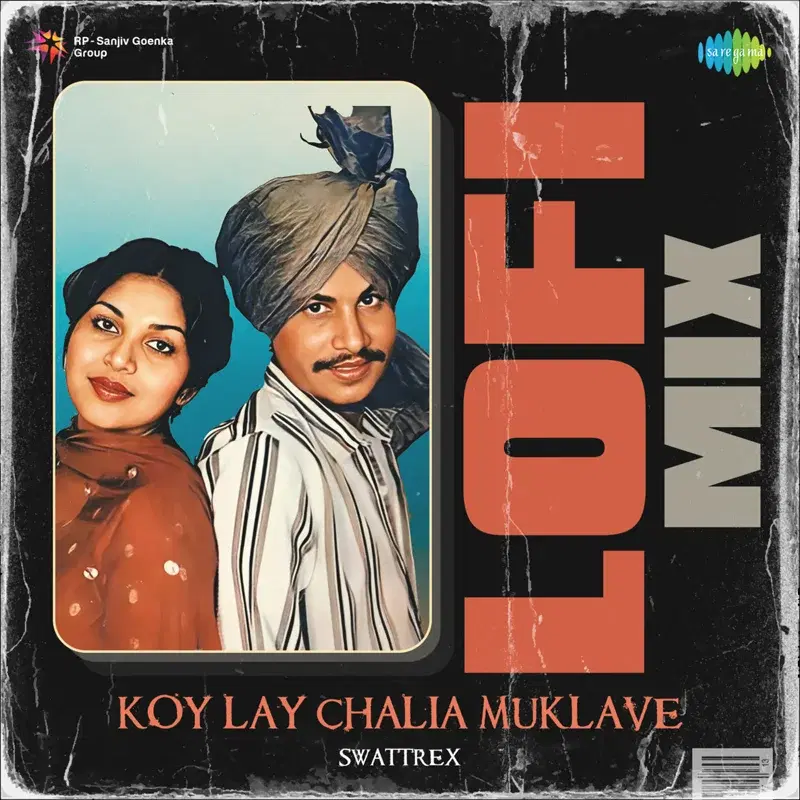
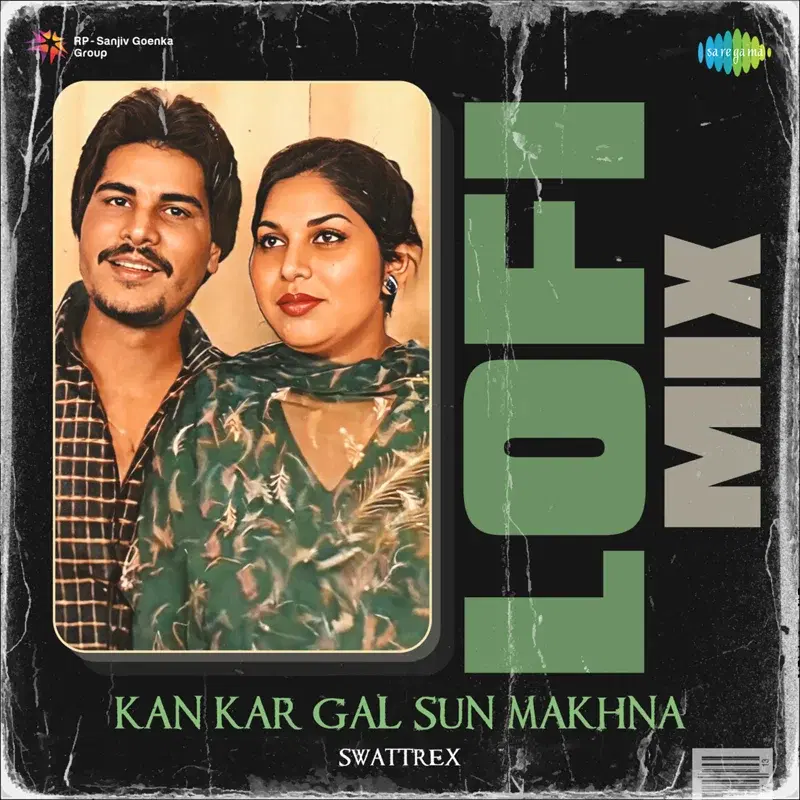
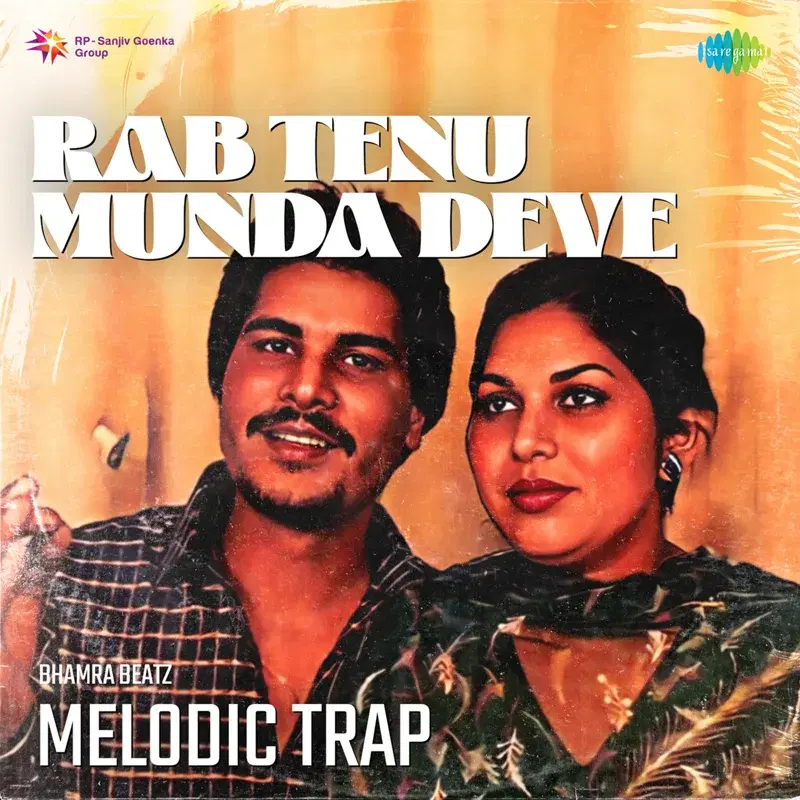
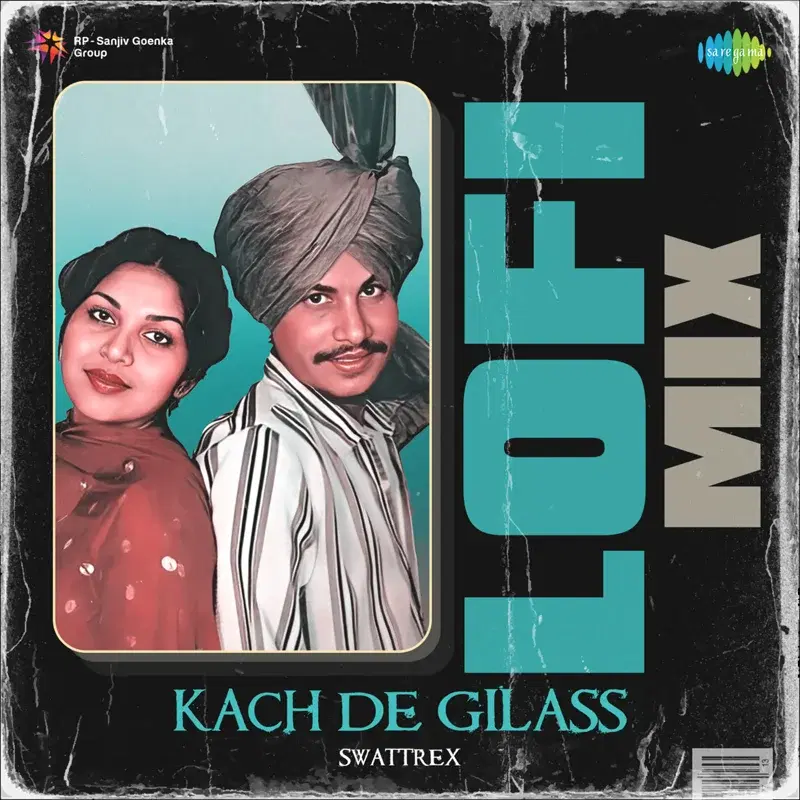
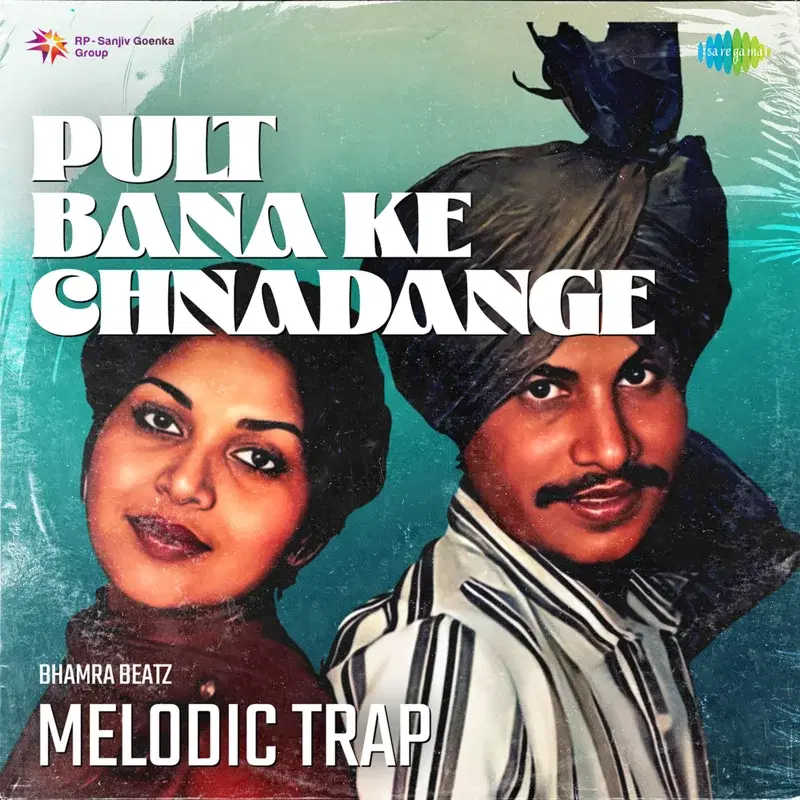
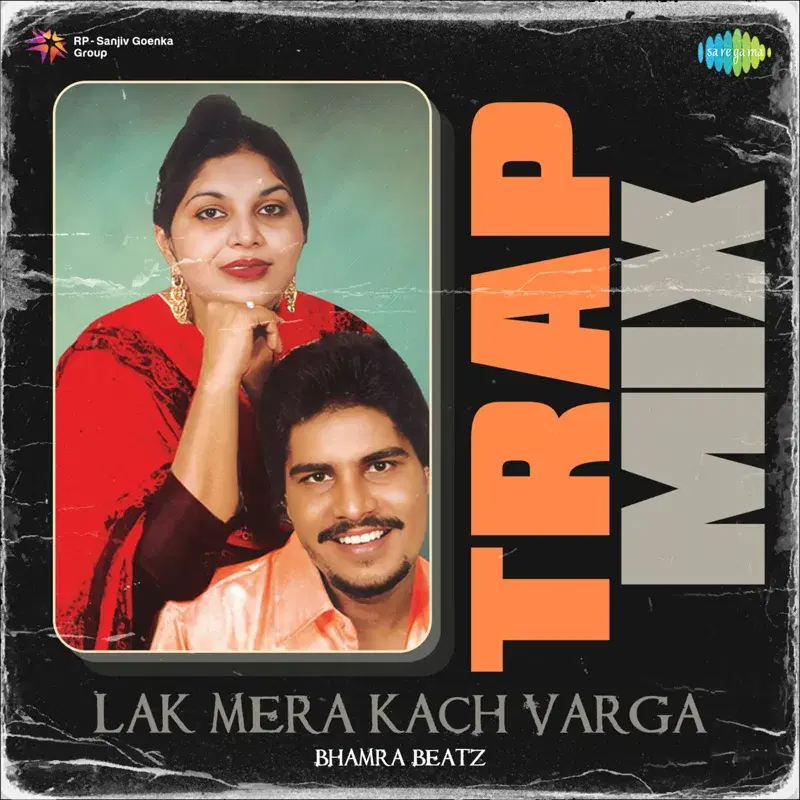
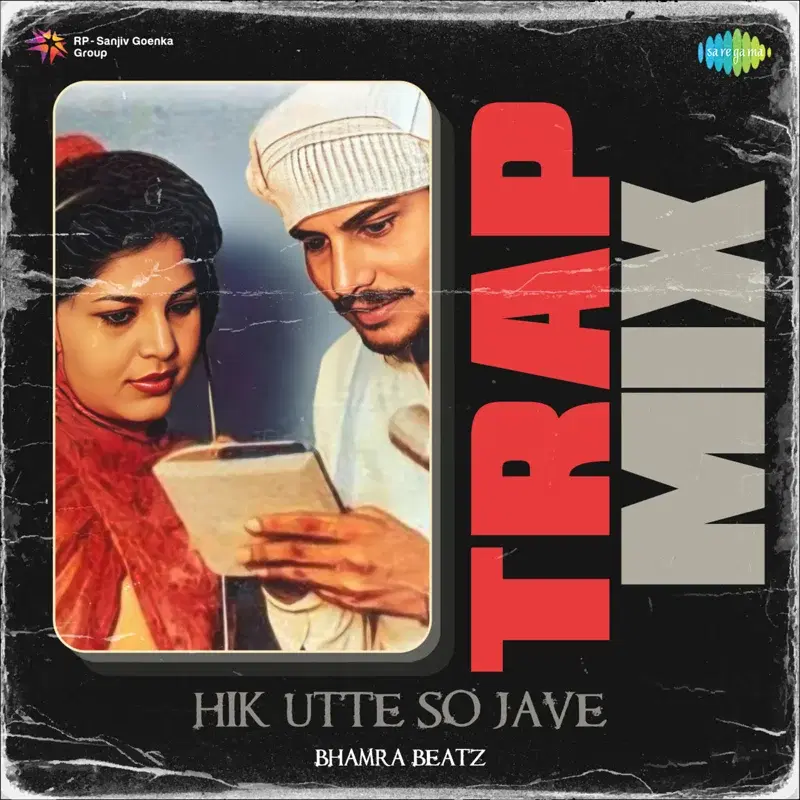
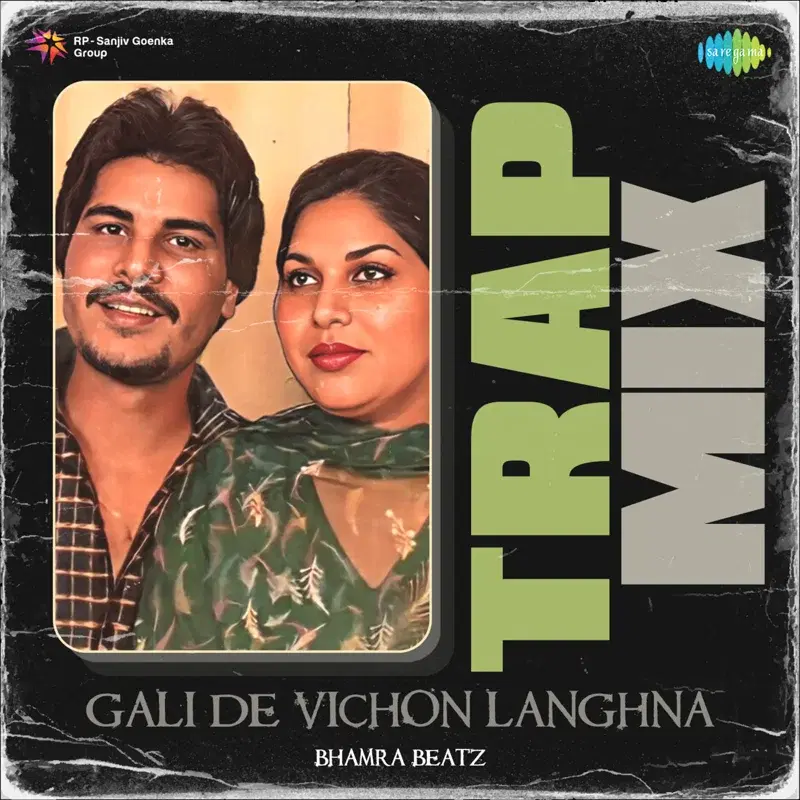
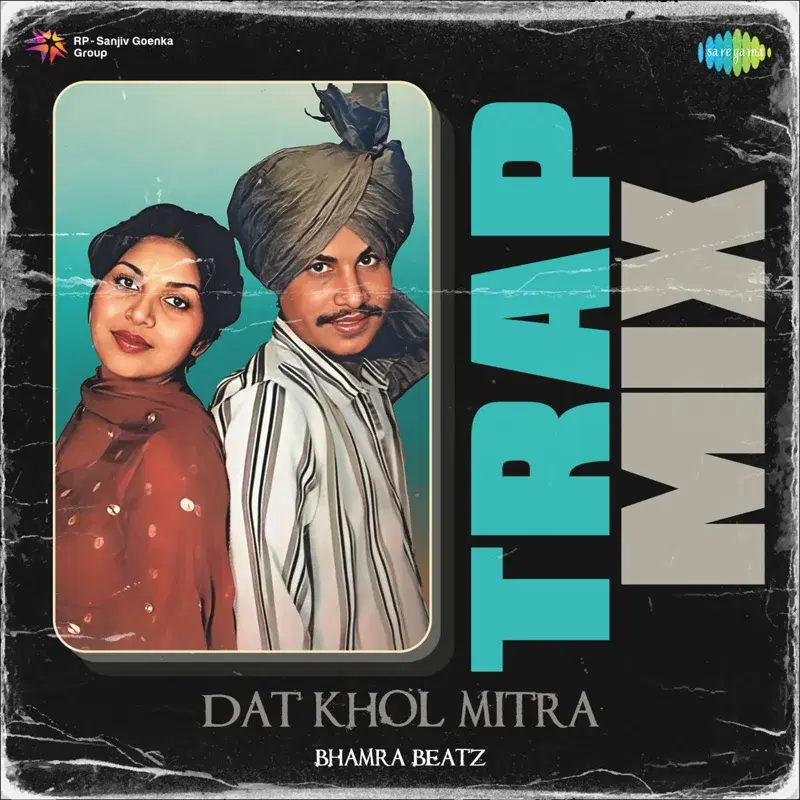
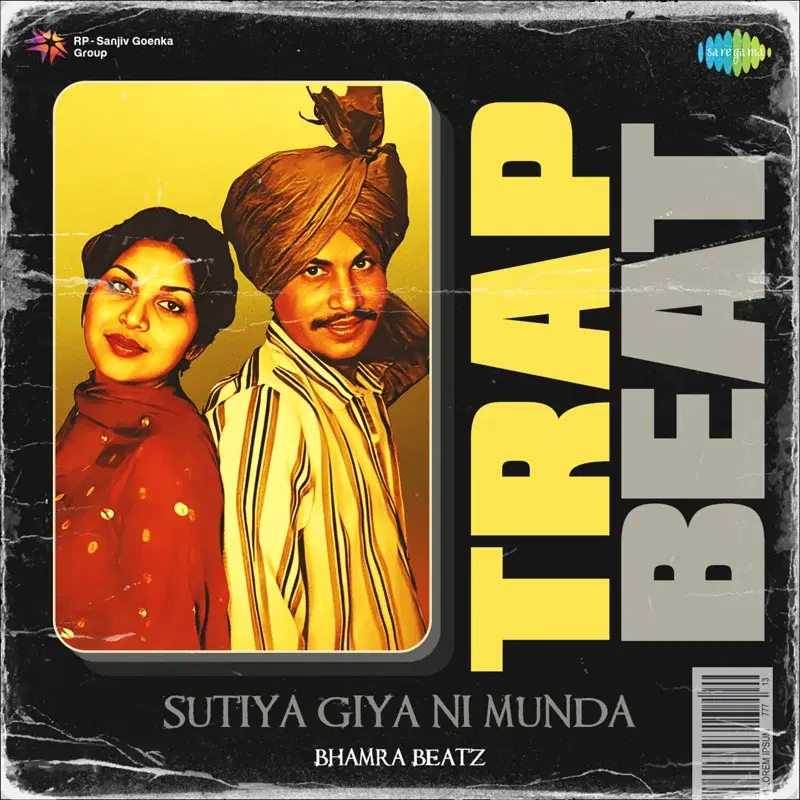
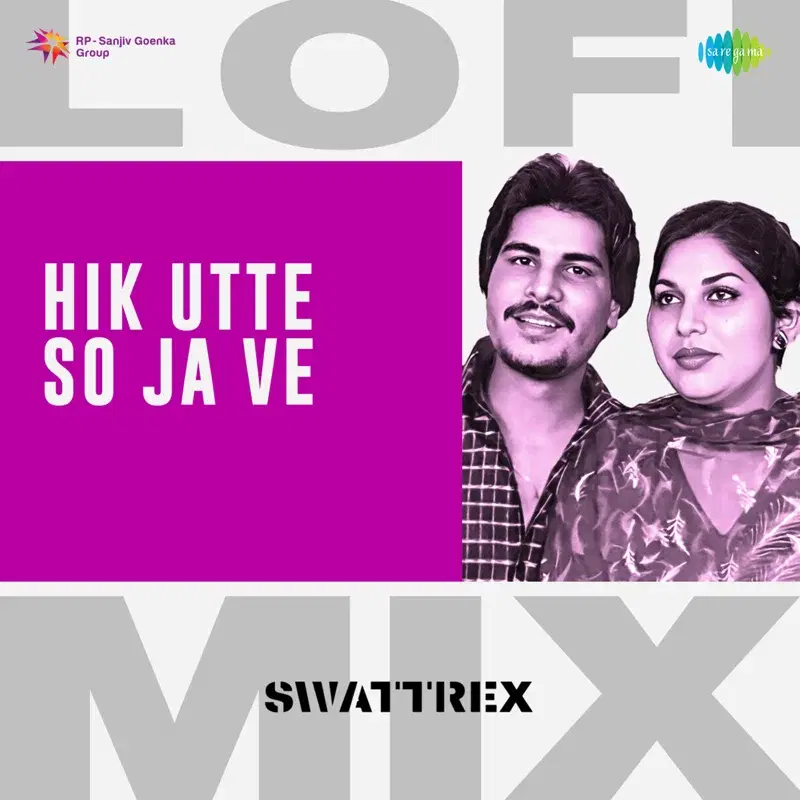
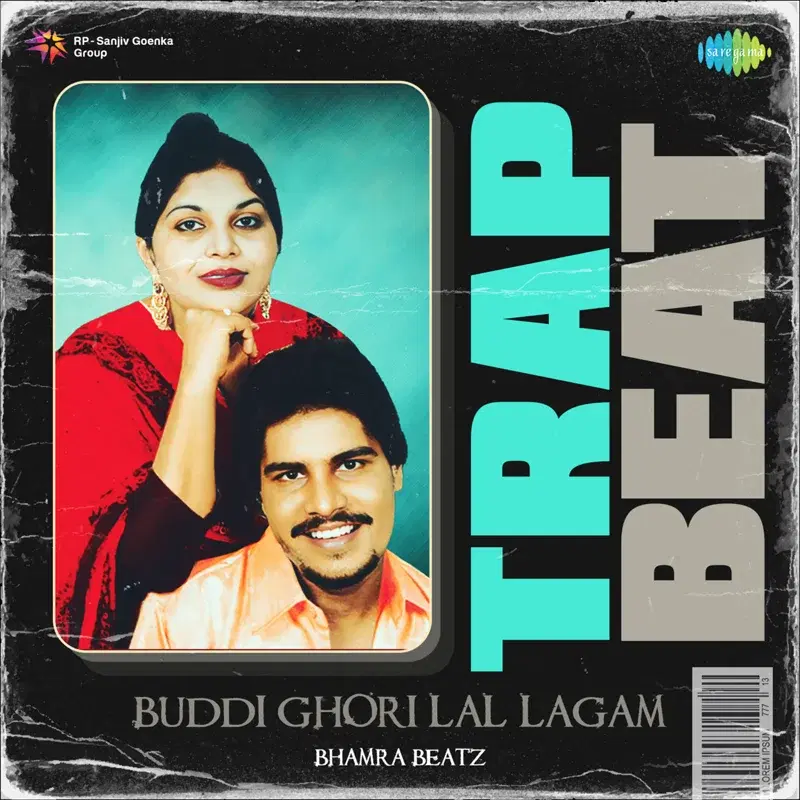
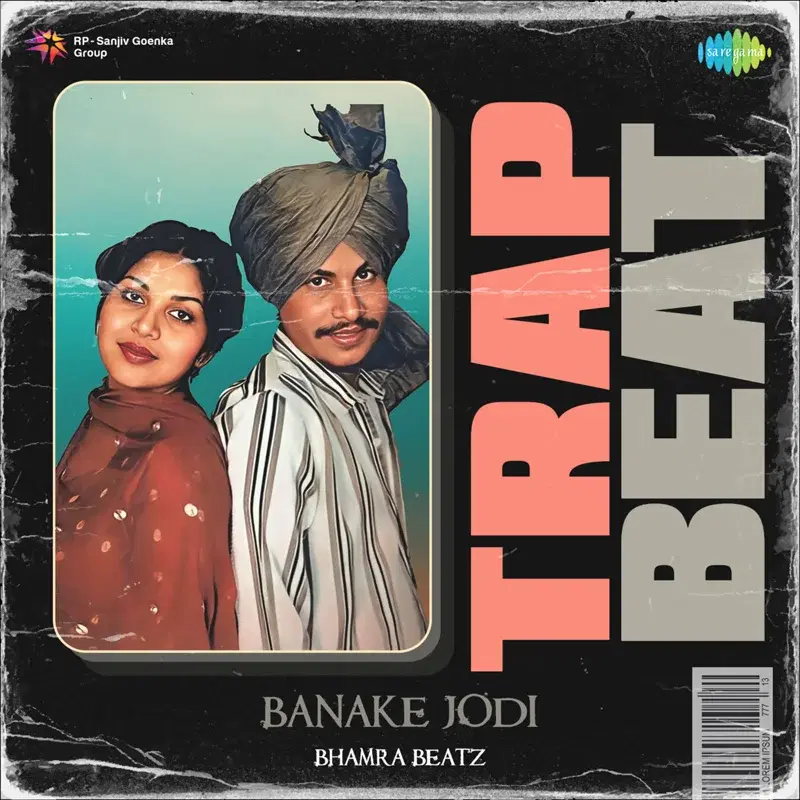
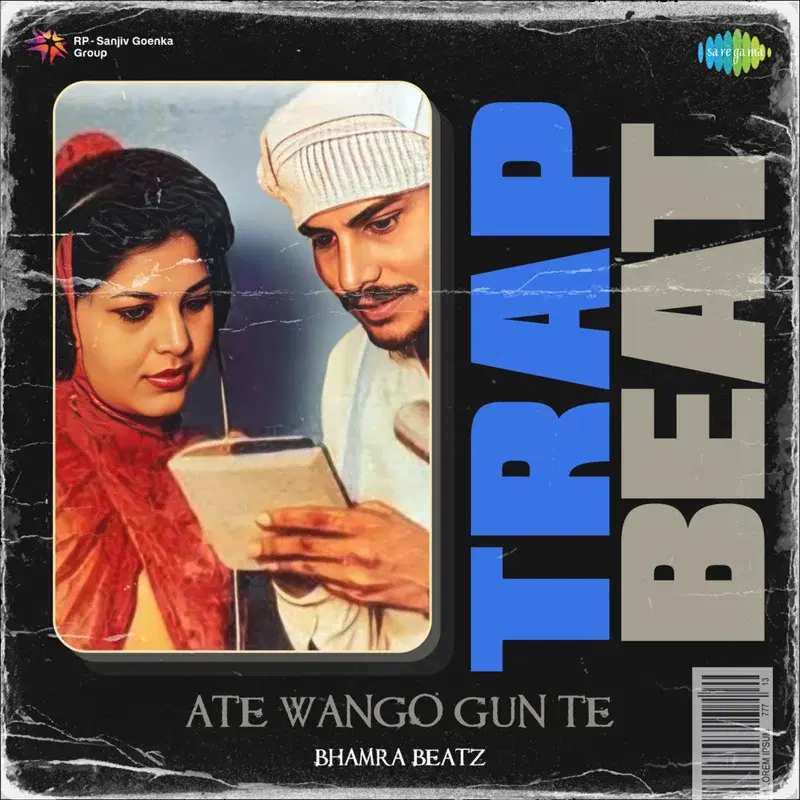
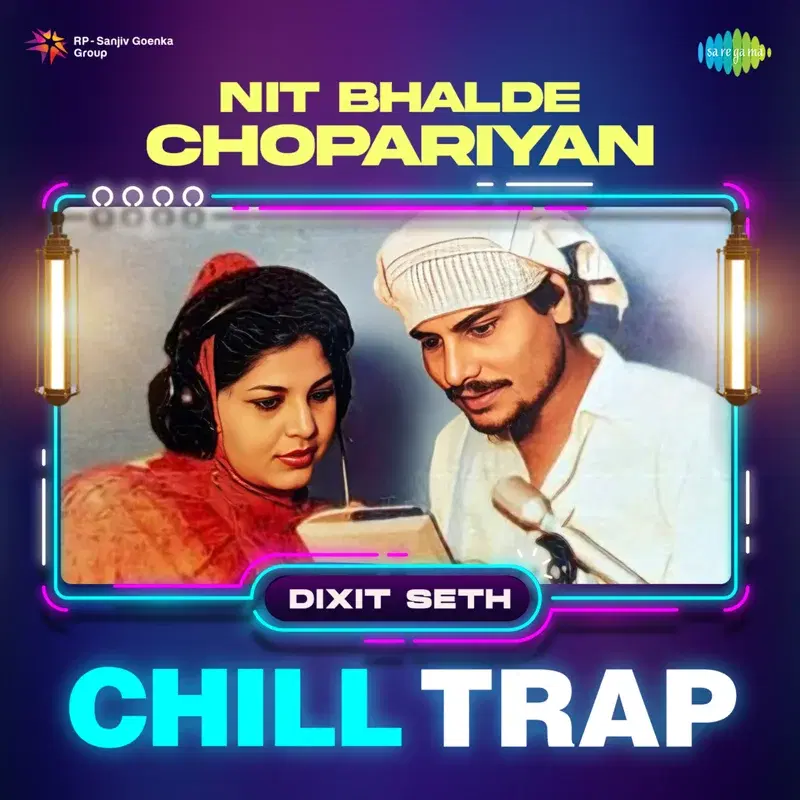
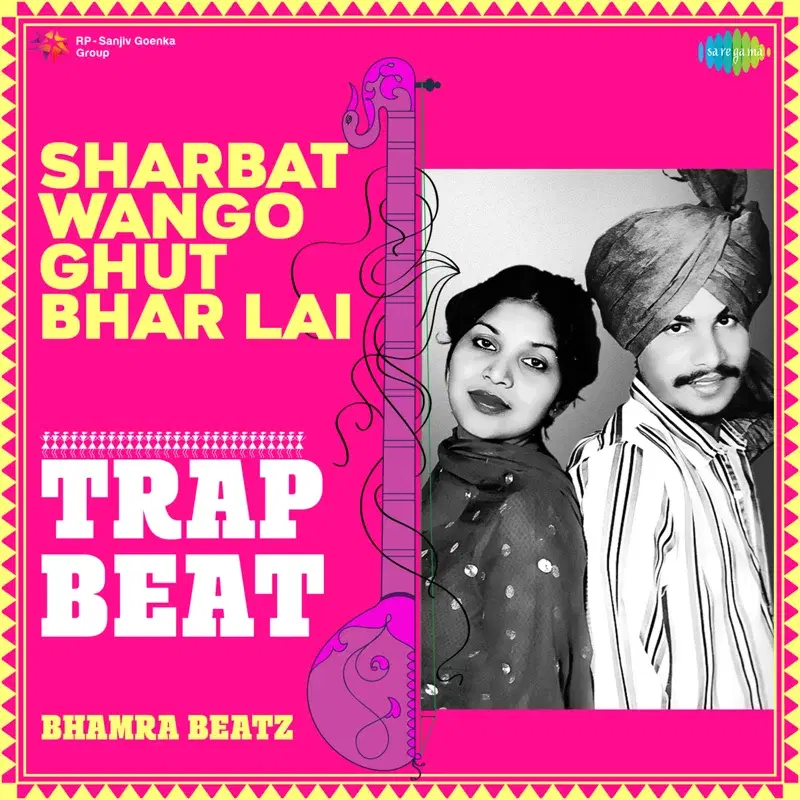

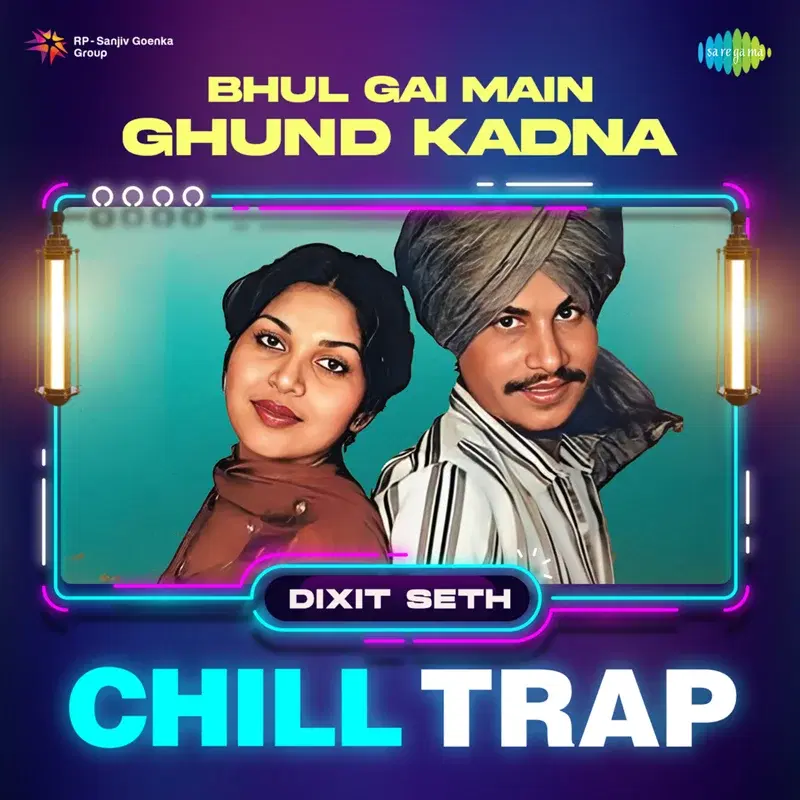
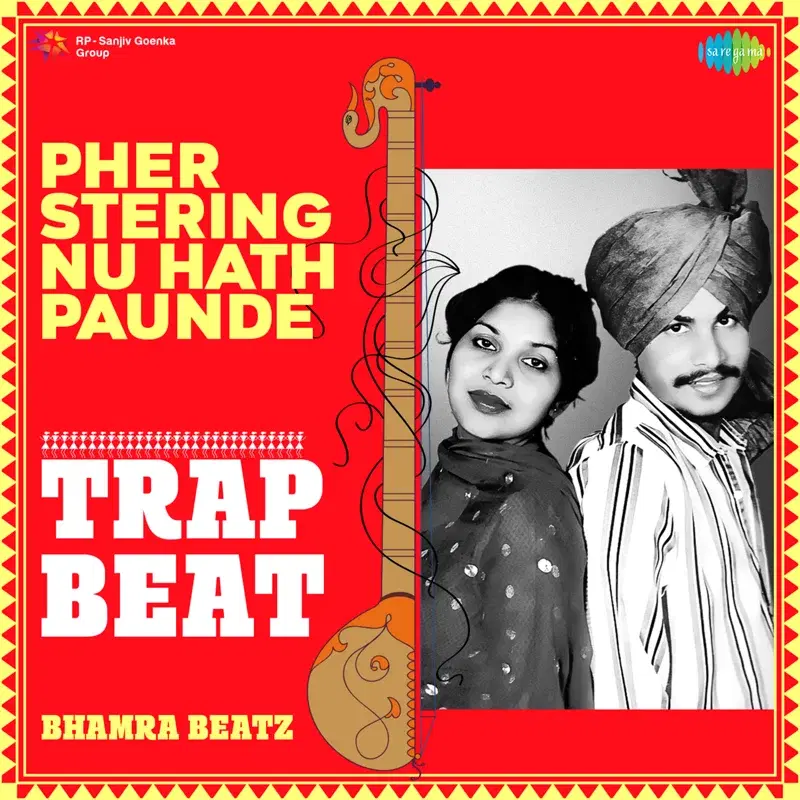
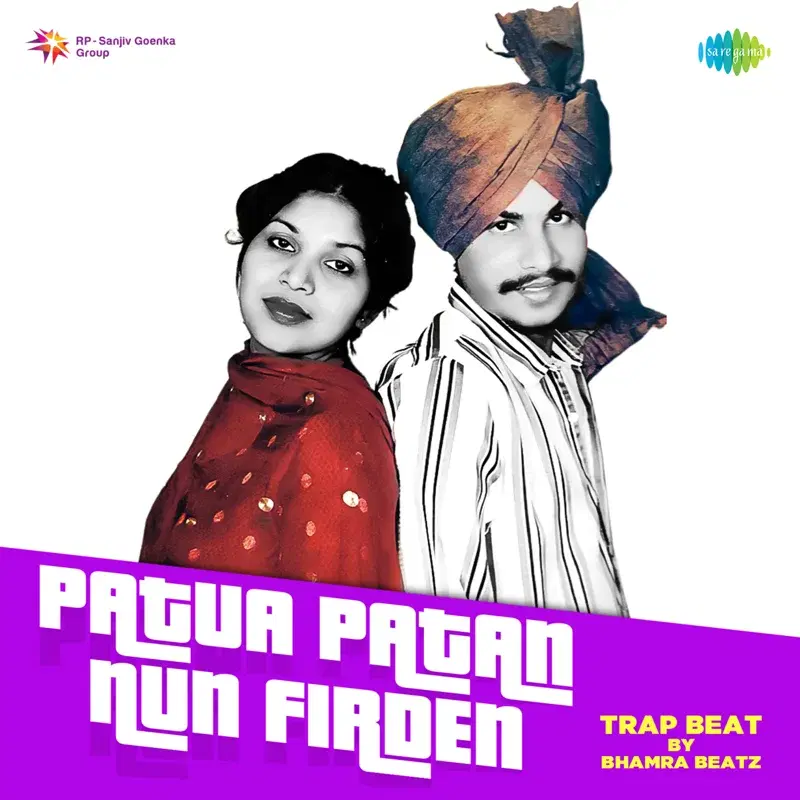
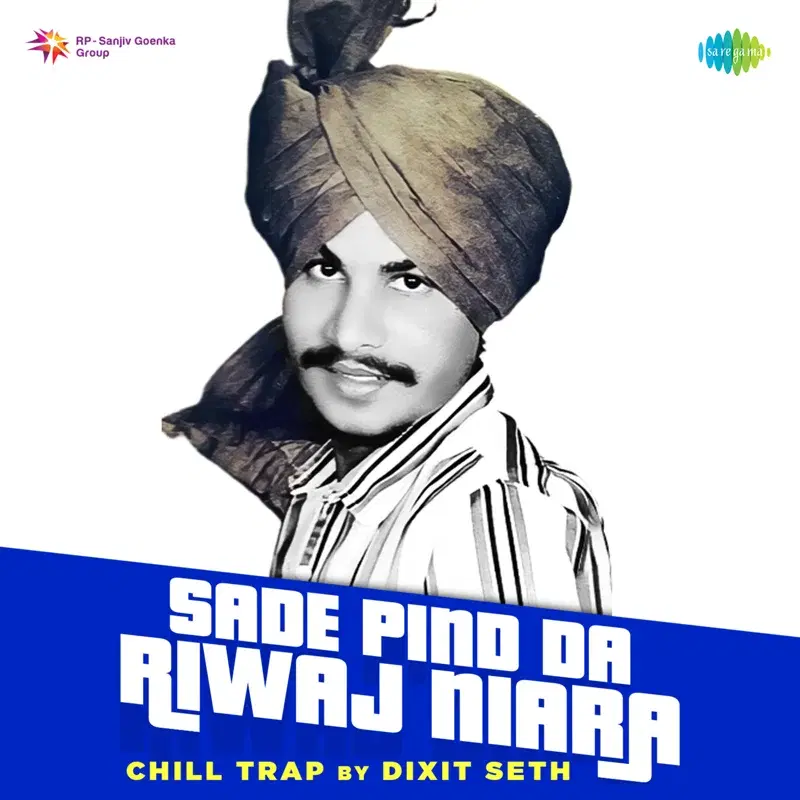





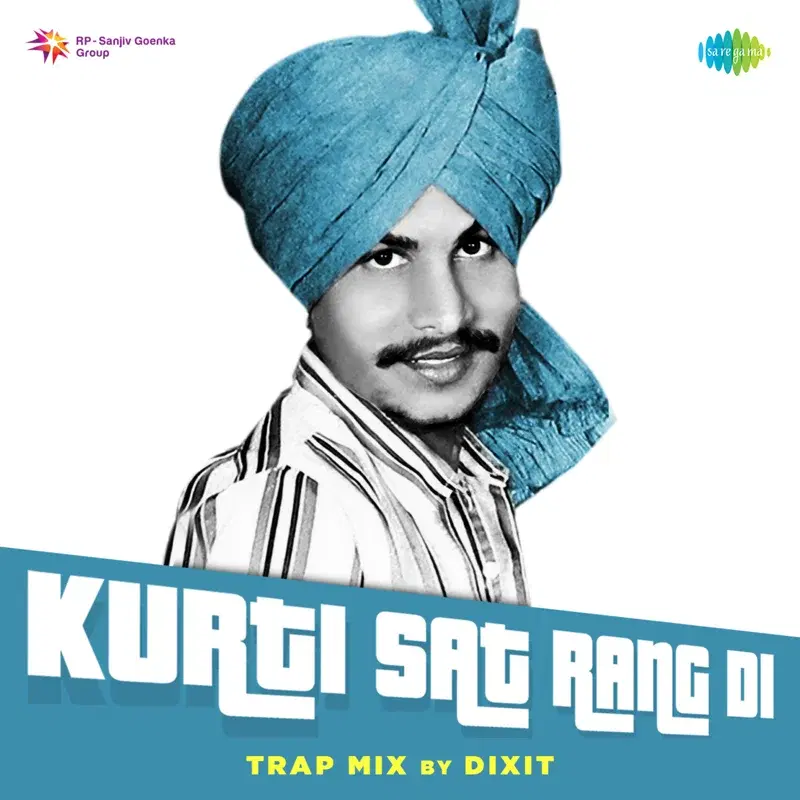
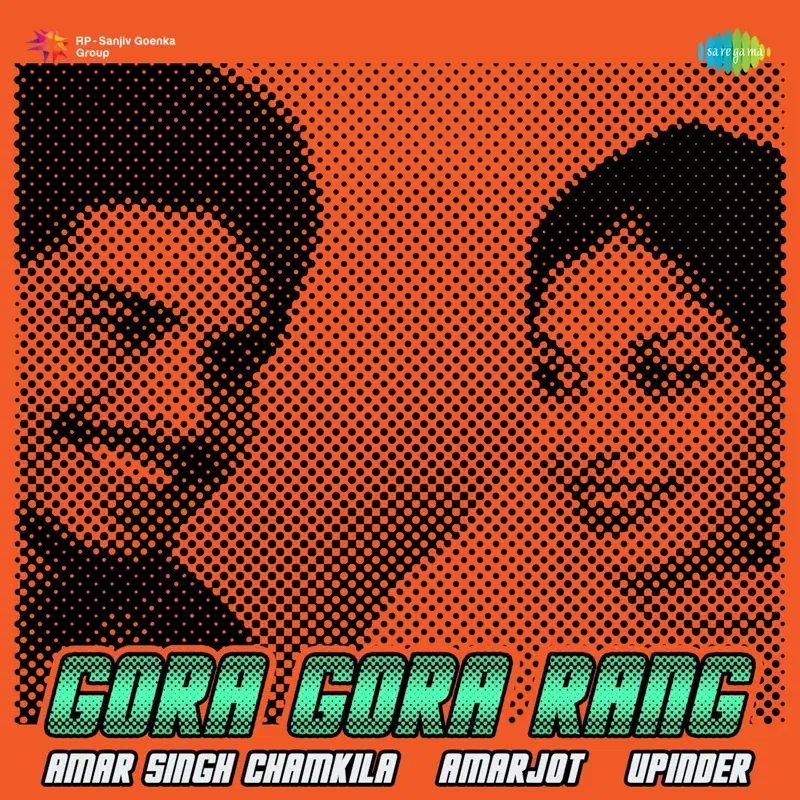
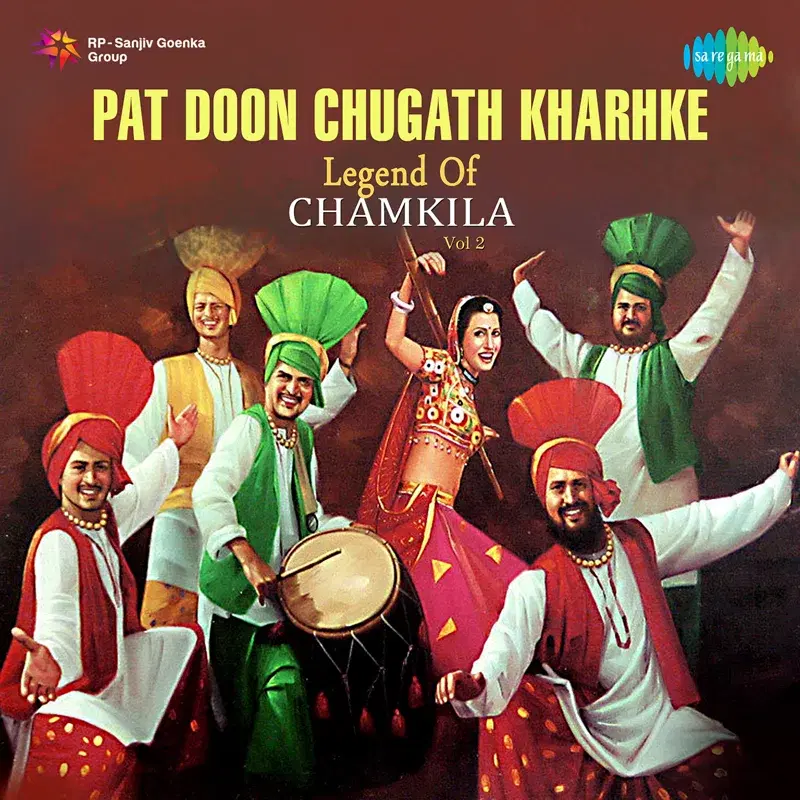
Album

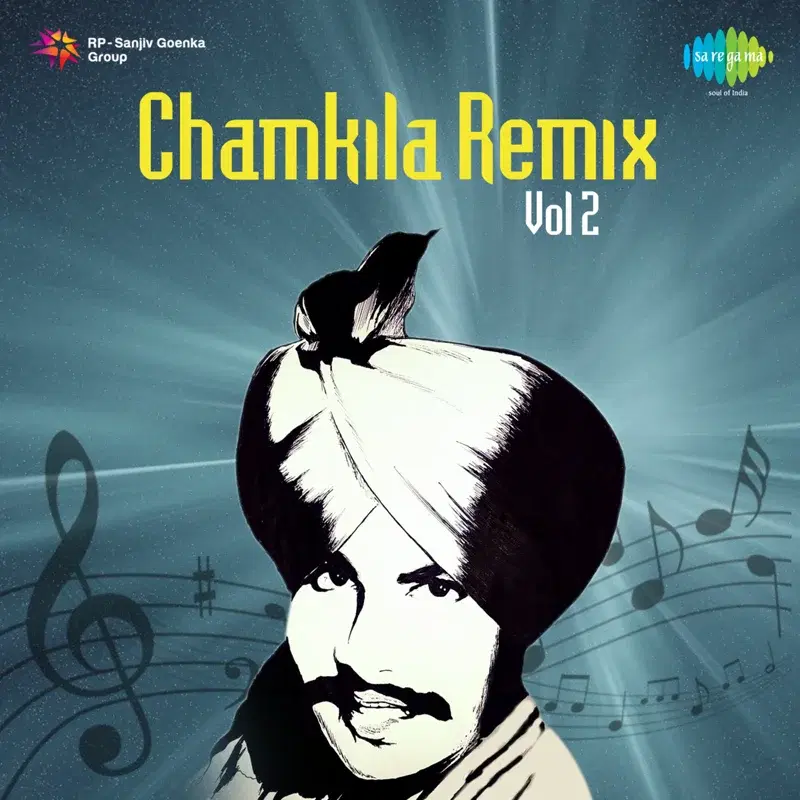
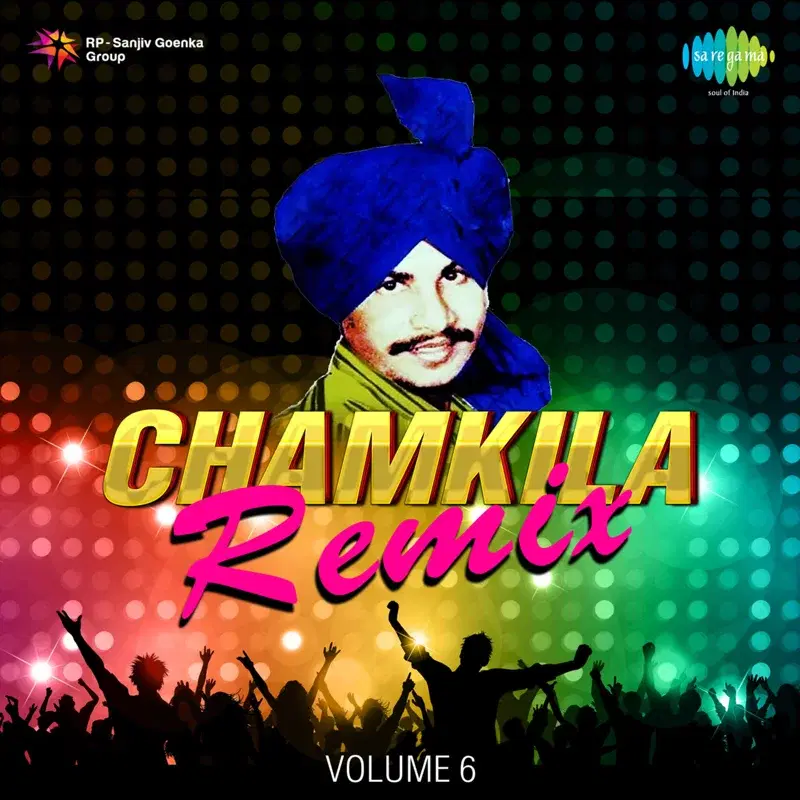
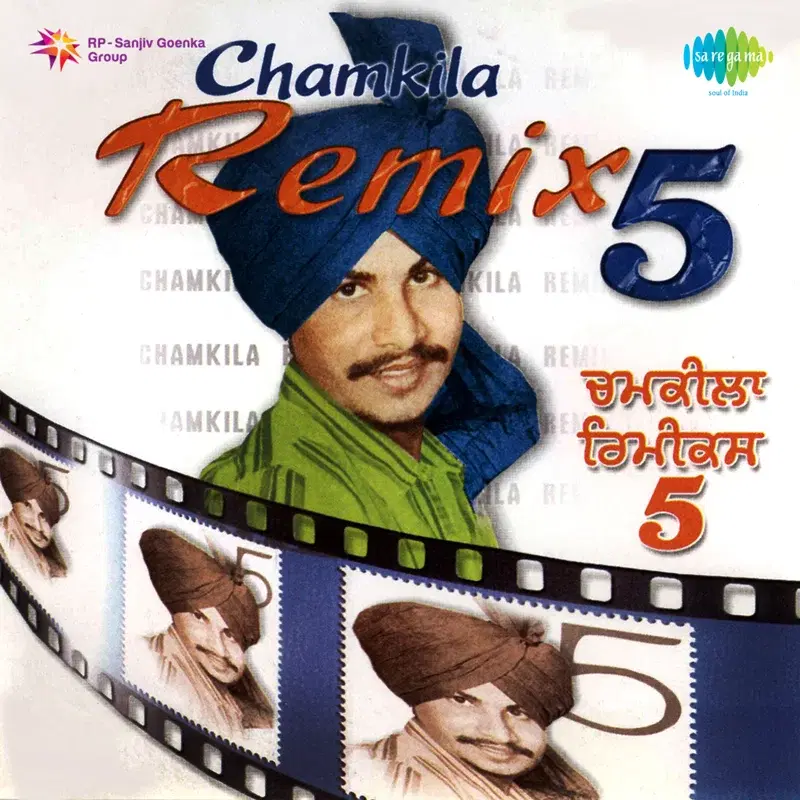
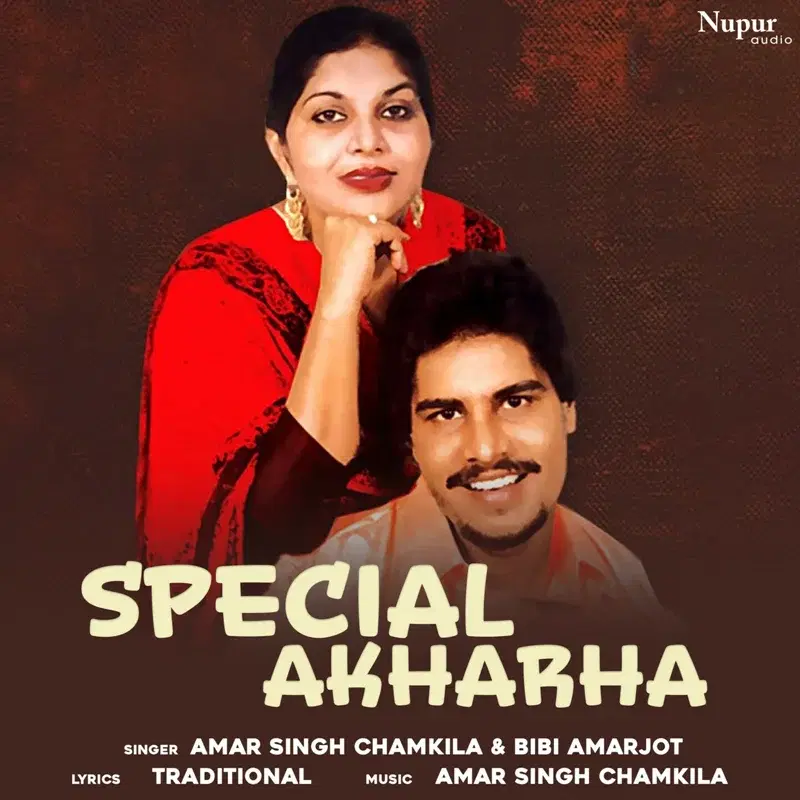
Story
Quick Facts
Born
1960
1960
From
India
India
Journey
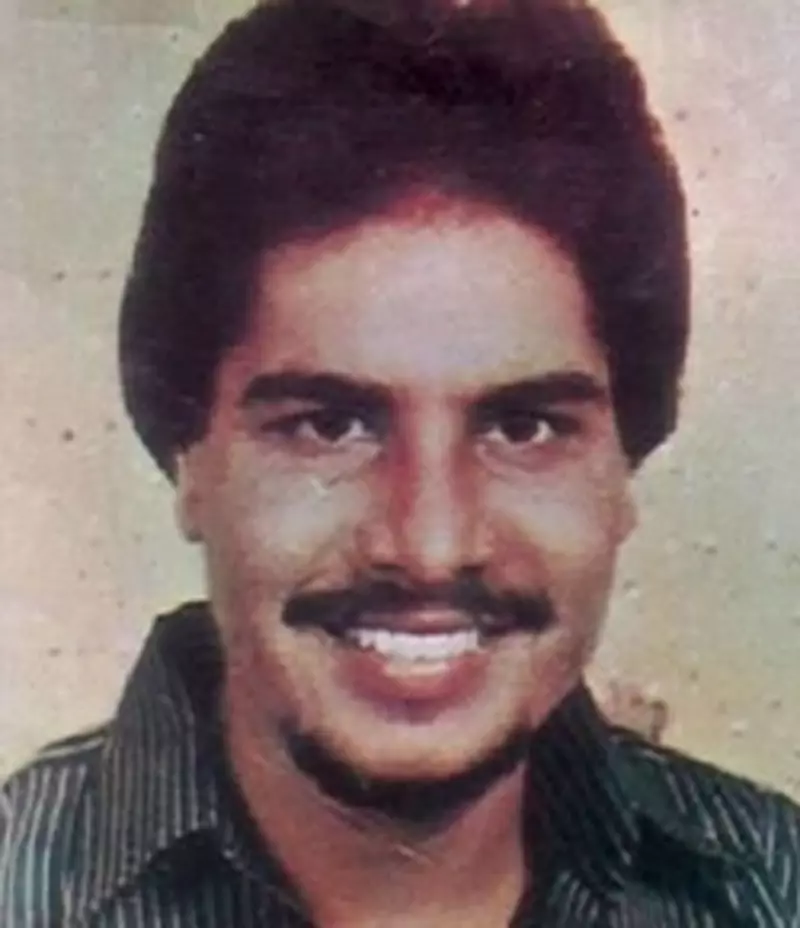
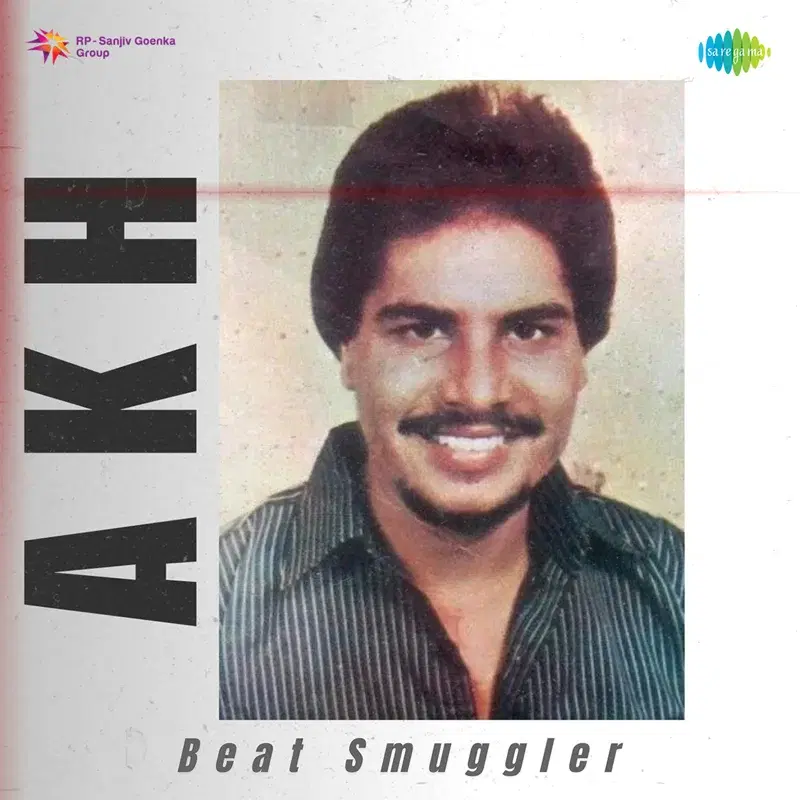
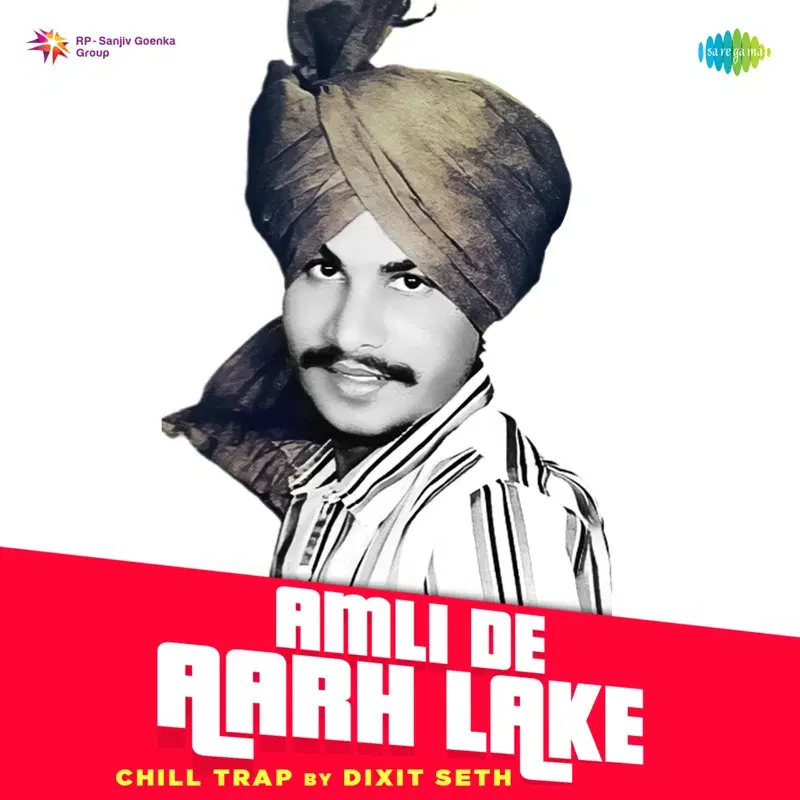
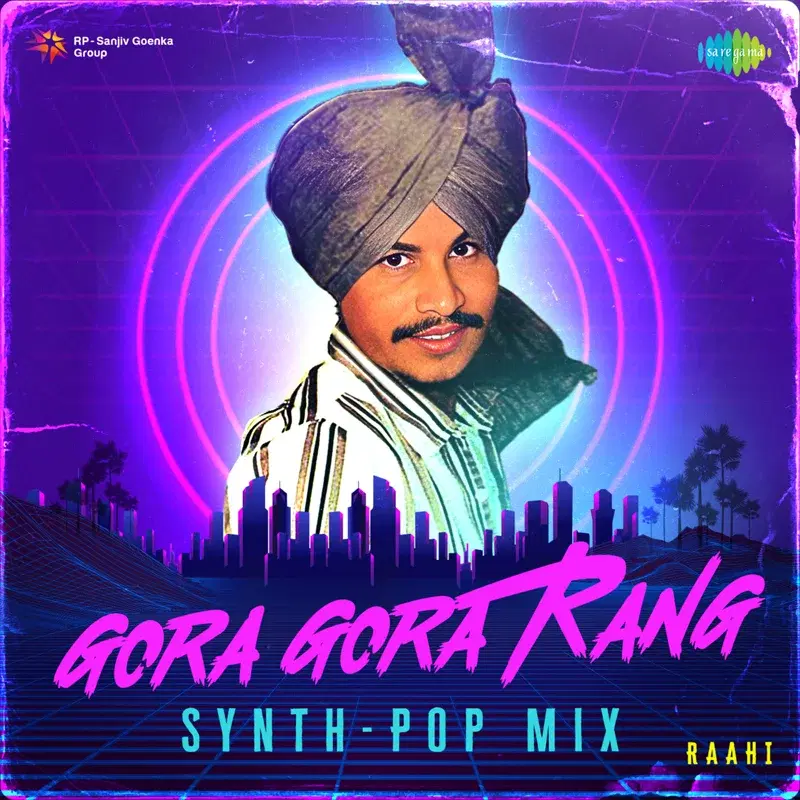
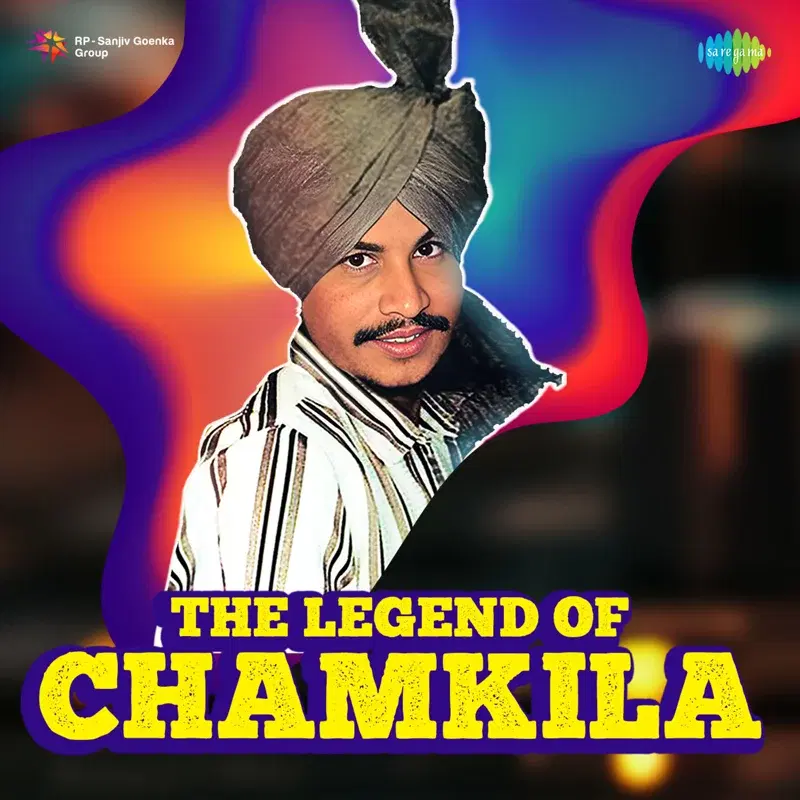
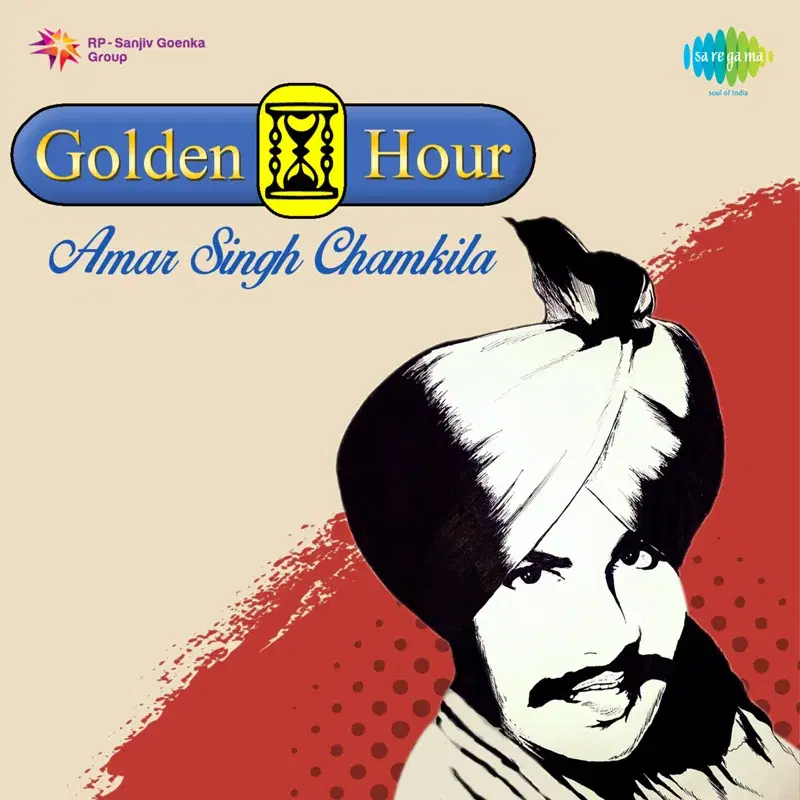
Amar Singh Chamkila, born Dhani Ram, stands as one of the most consequential figures in the history of Punjabi music. Recording and performing across Punjabi duets, solos, folk, and religious genres, he earned the widely recognized title 'Elvis of Punjab, ' a designation that speaks to both his electrifying stage presence and his outsized cultural impact. He emerged from modest beginnings to become one of the most influential figures in Punjabi music. Raised in a working-class family, he left school at an early age and worked in a cloth mill while nurturing a strong interest in music and poetry. His deep connection to rural Punjabi life later became the foundation of his songwriting.
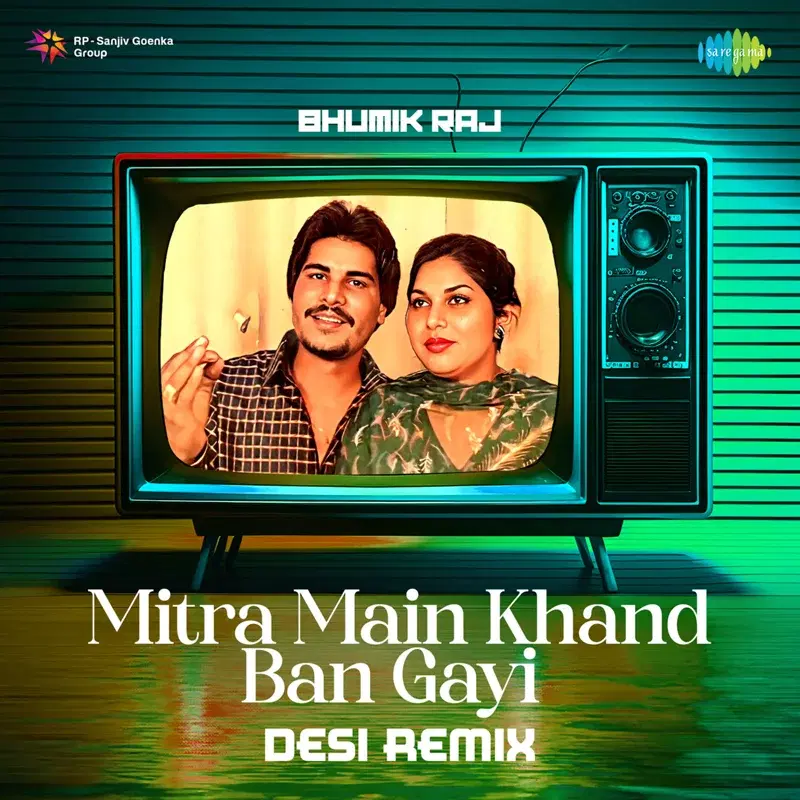
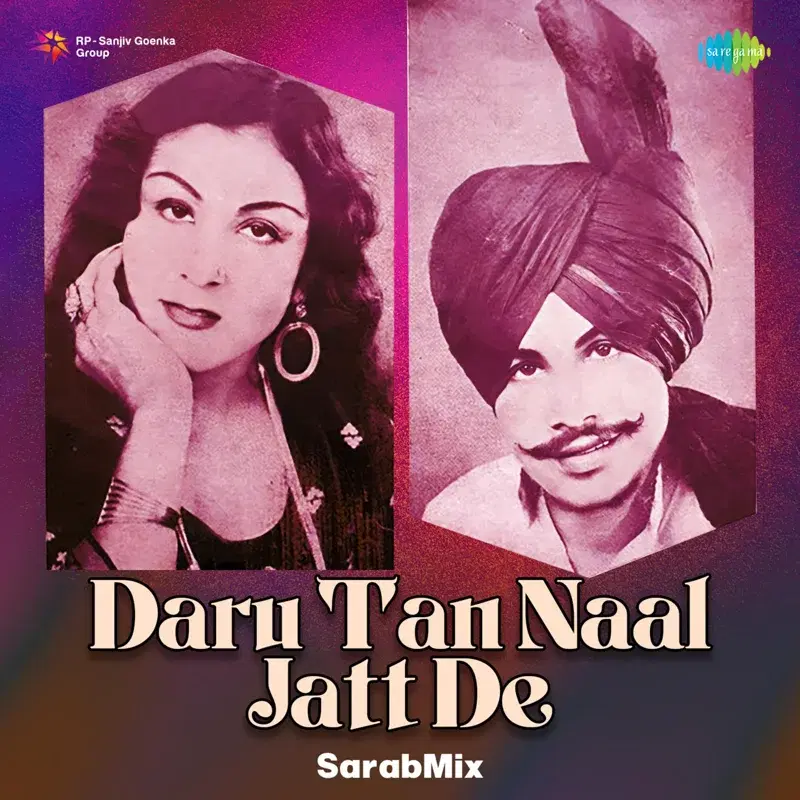
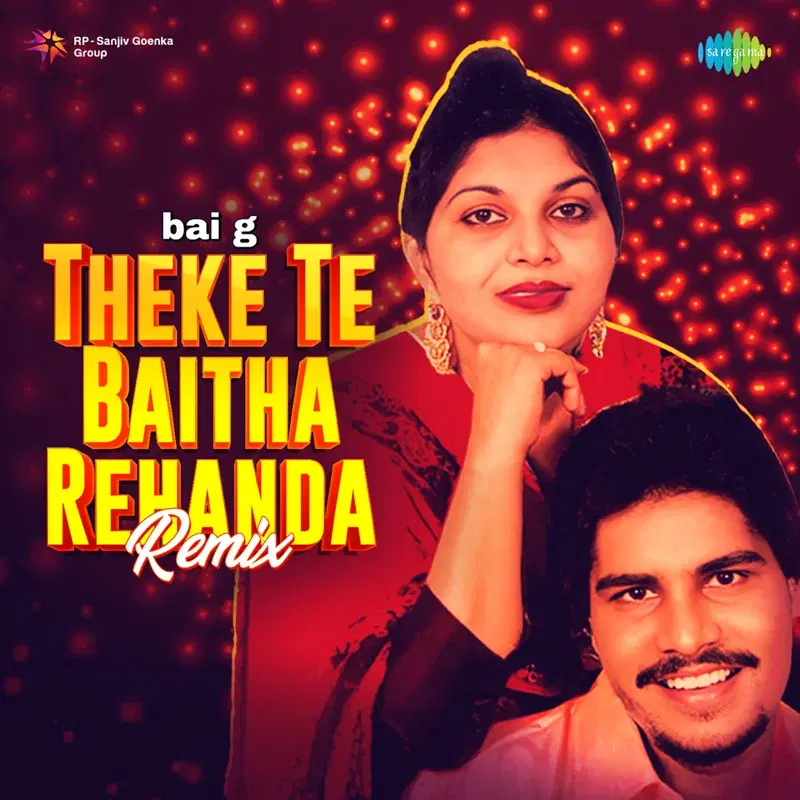
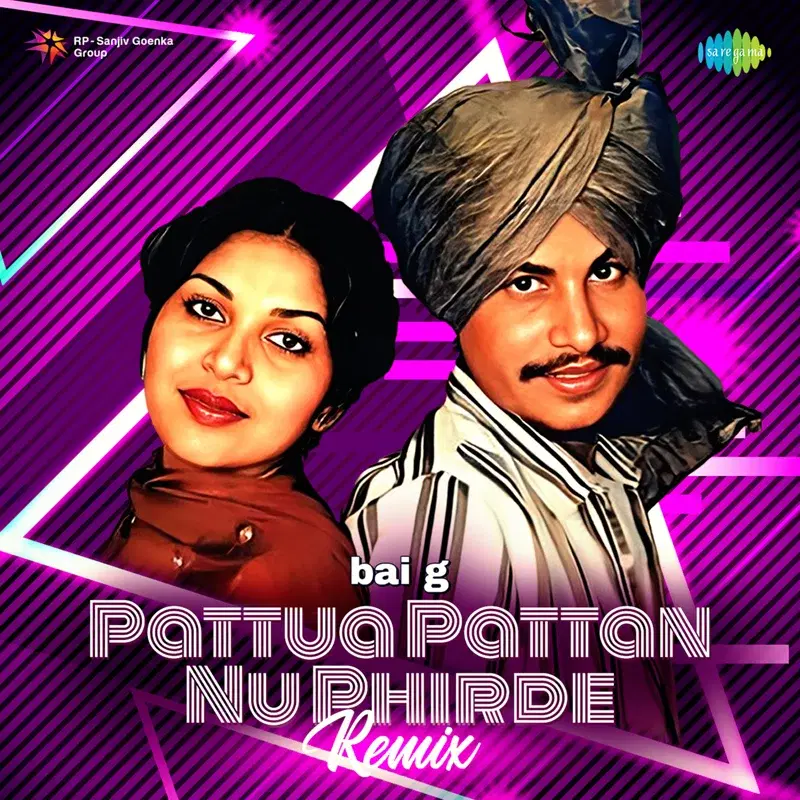
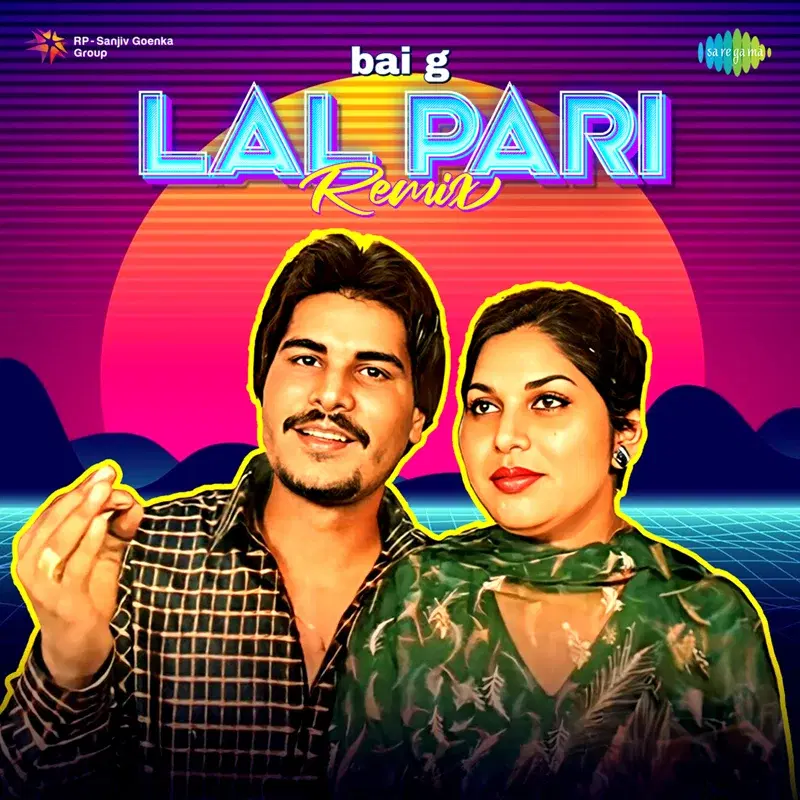
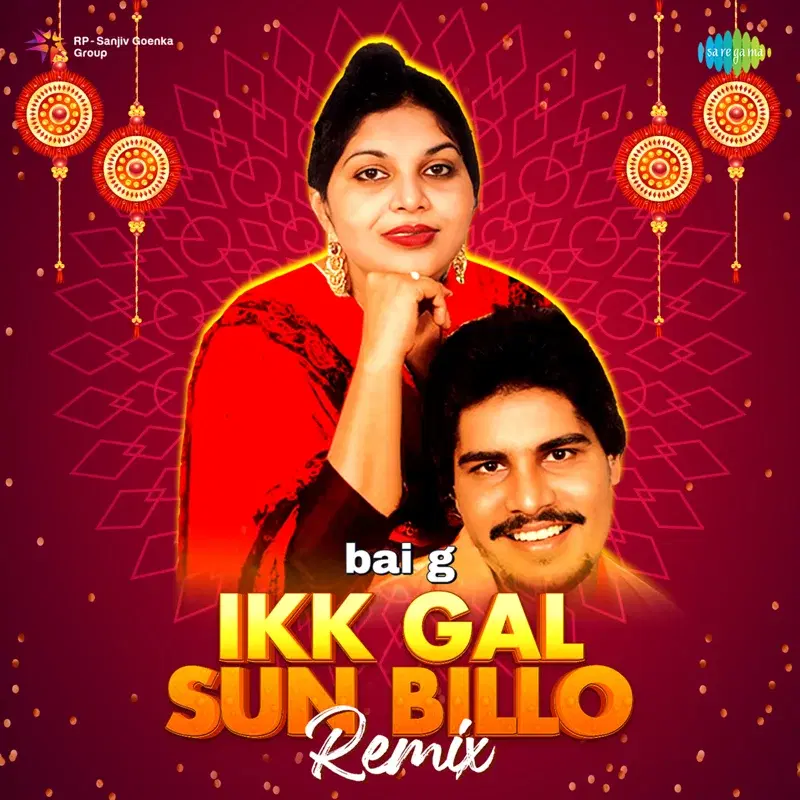
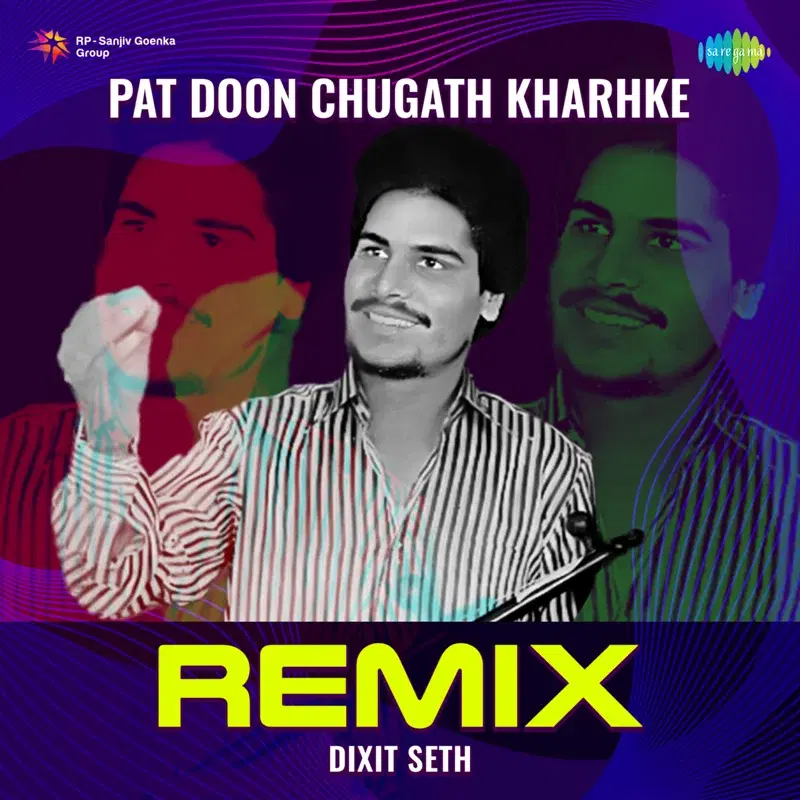
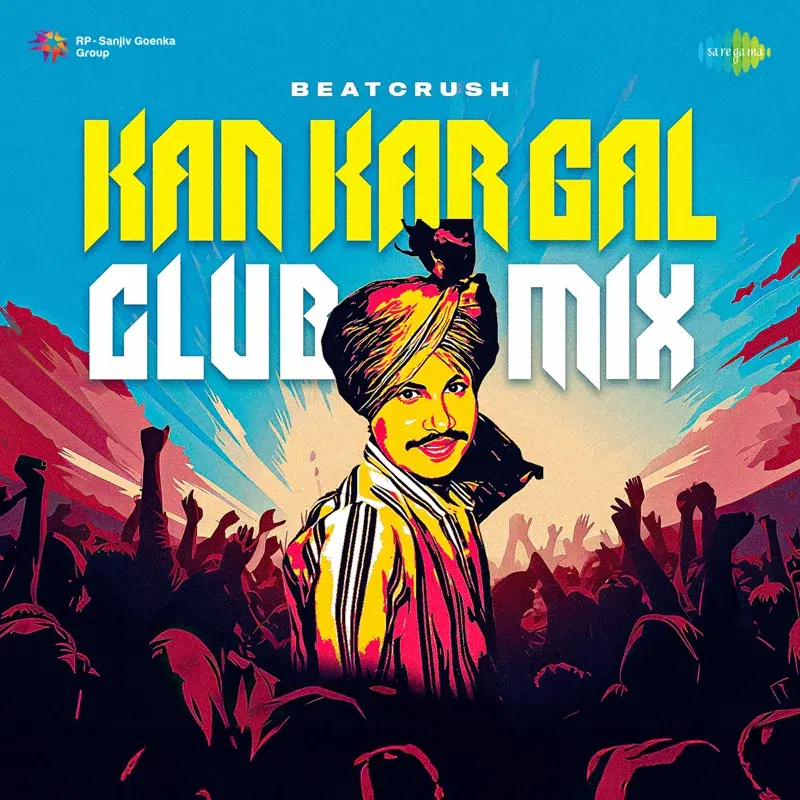
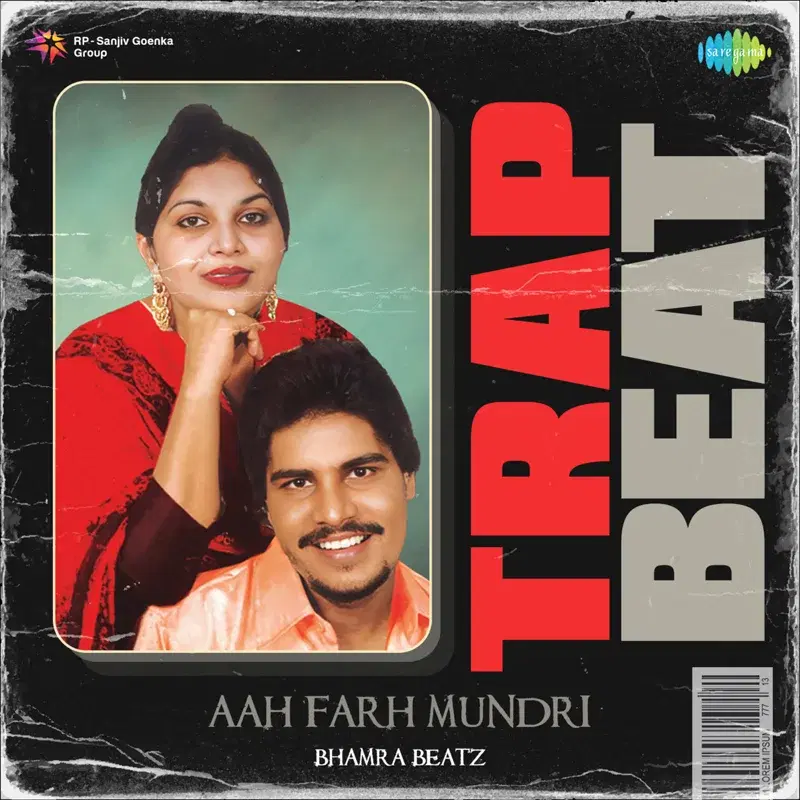
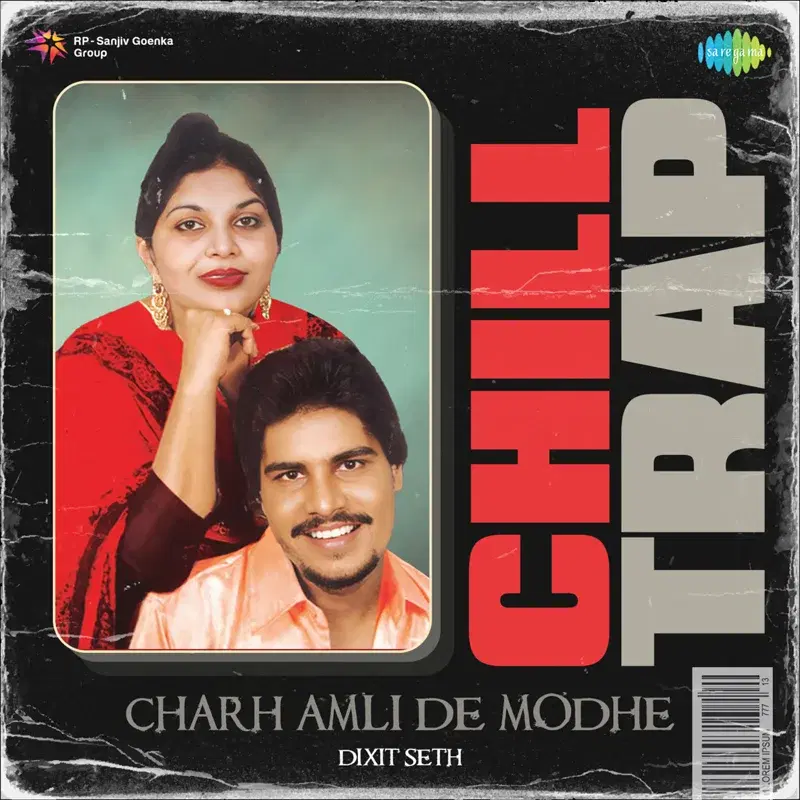
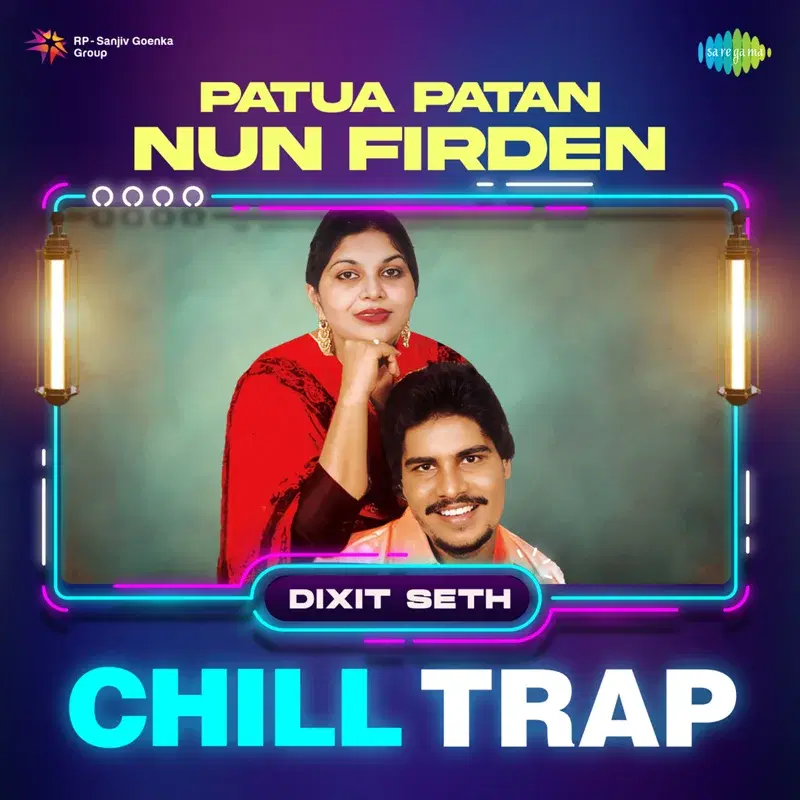
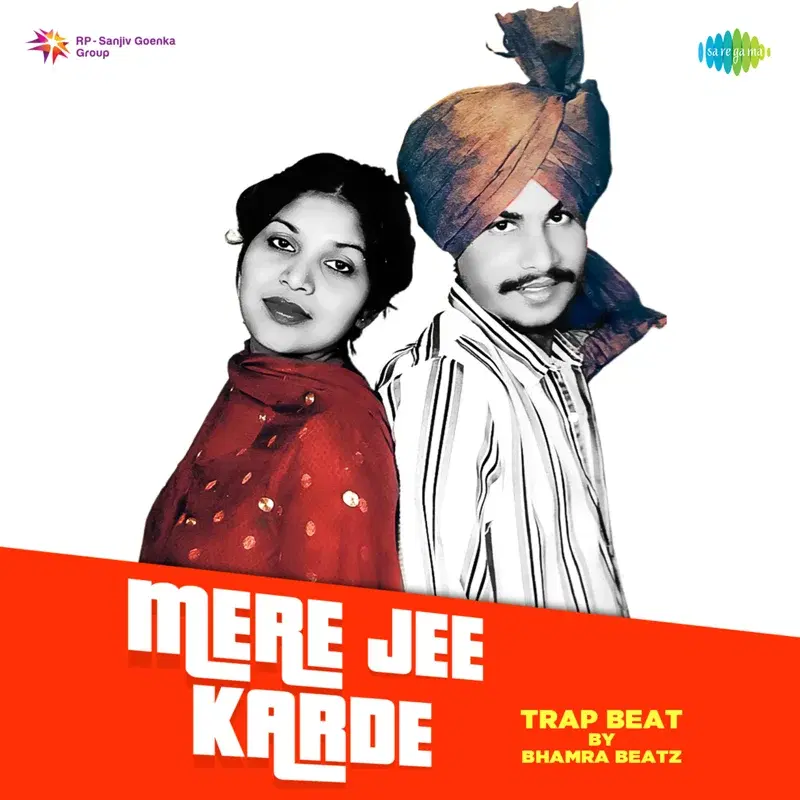
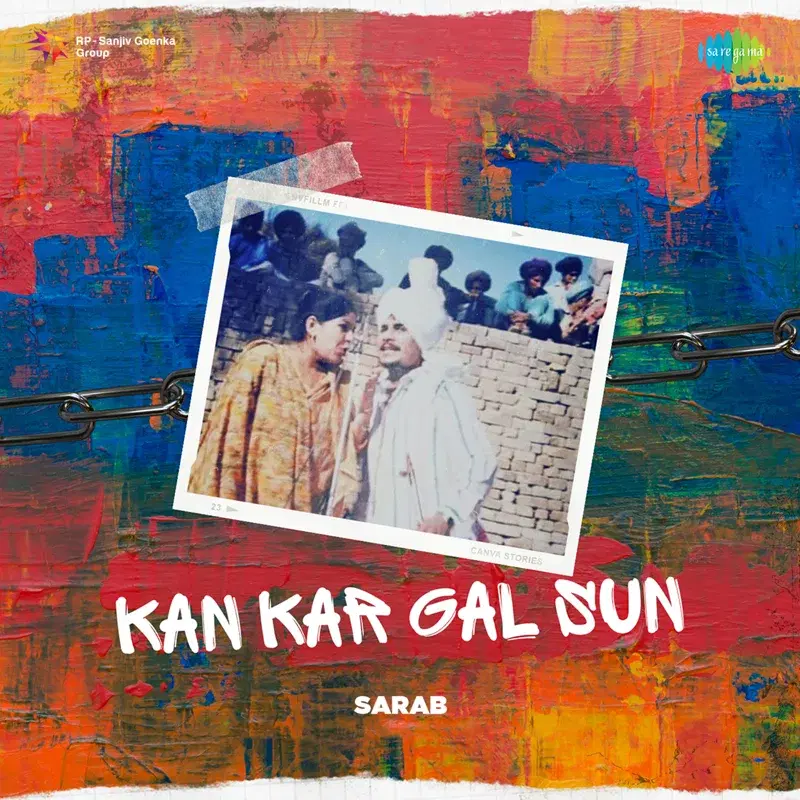
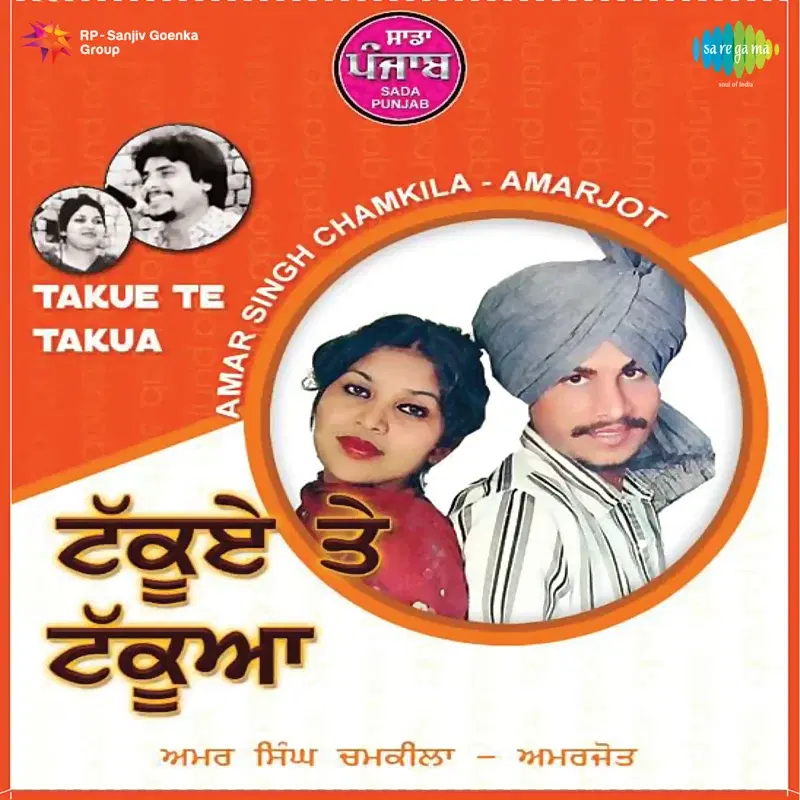
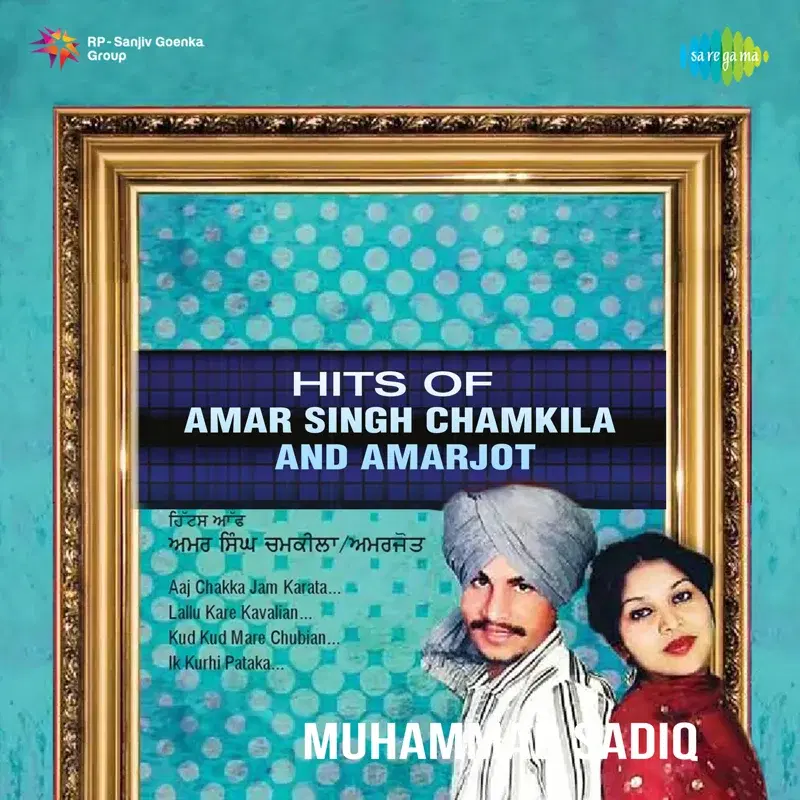
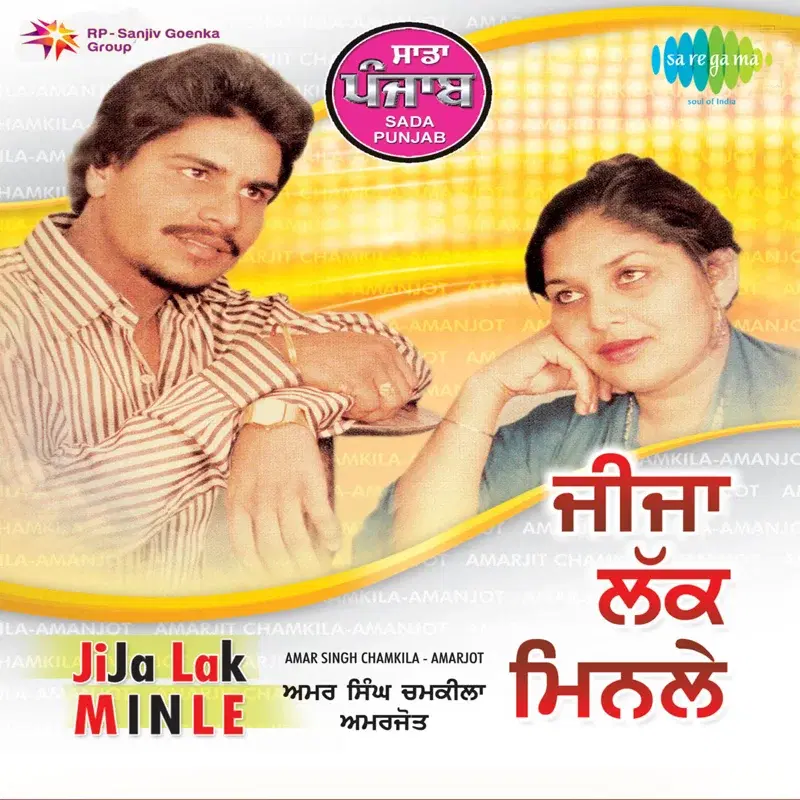
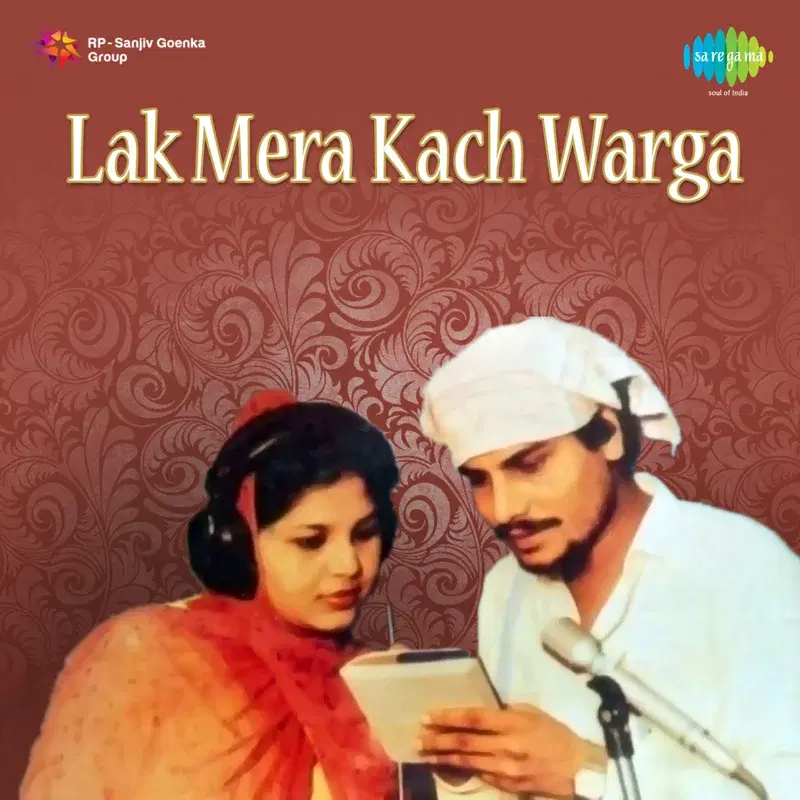
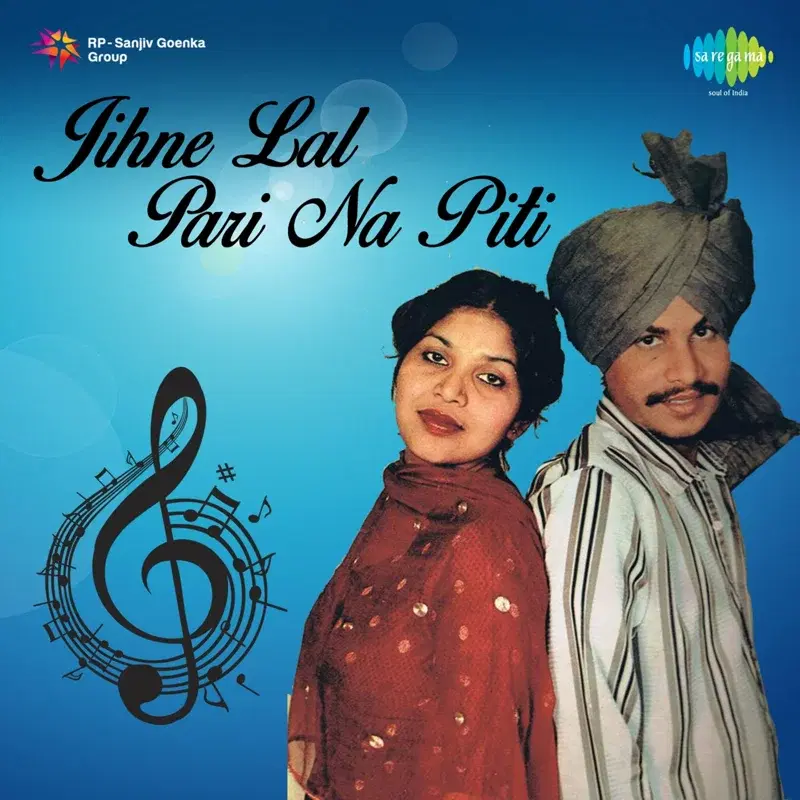
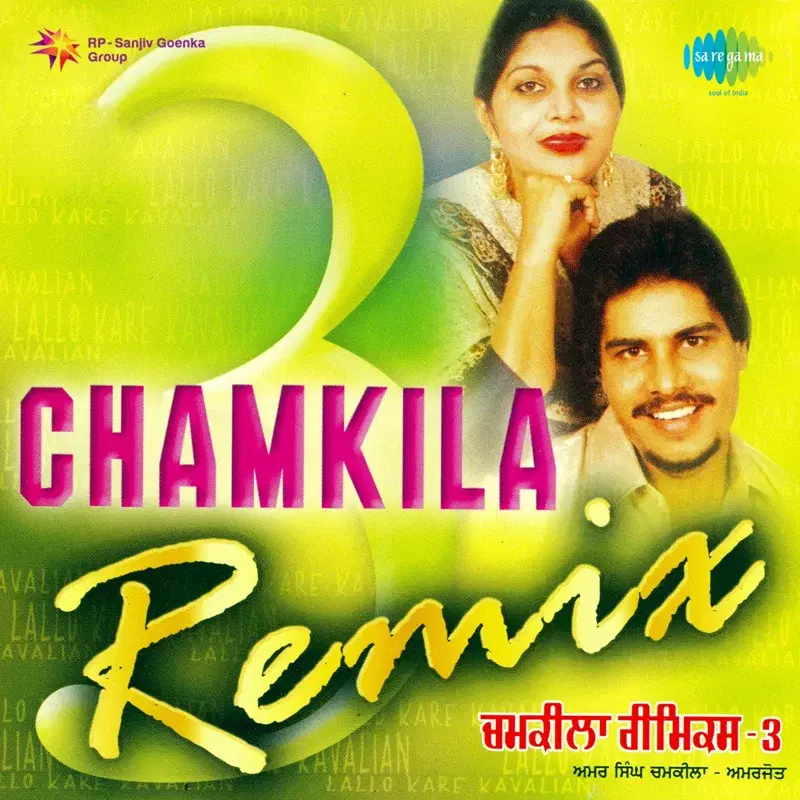
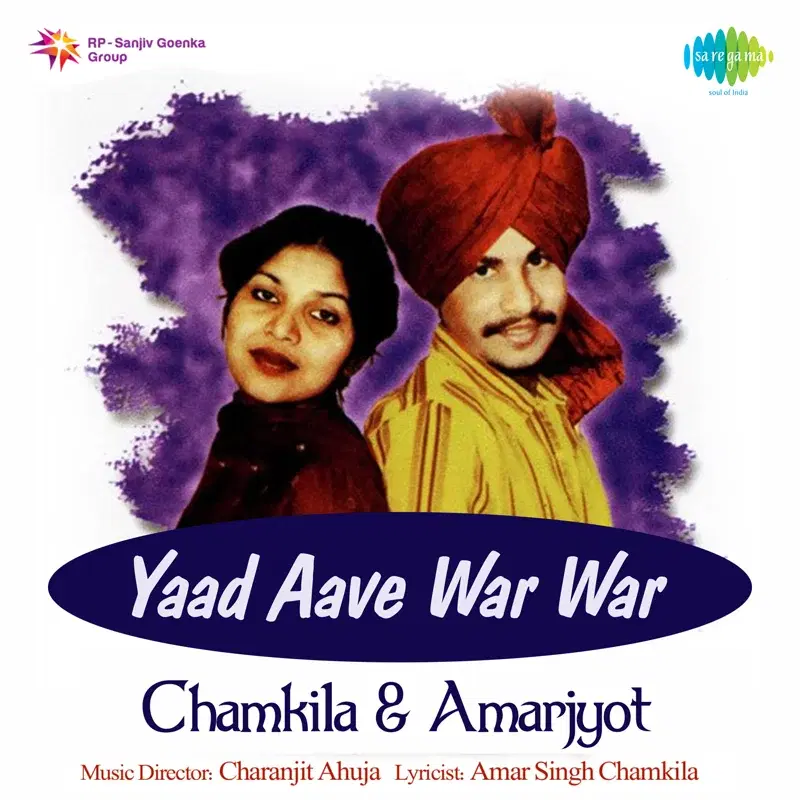
A signature combination of high-pitched vocals and accomplished instrumental work on the tumbi, harmonium, and dholak defined Chamkila's artistry. His compositions drew from the rhythms and realities of Punjabi village life, with lyrics that addressed social themes in vivid, direct language that resonated deeply with working-class audiences. His catalog, released through Saregama India Ltd., includes titles such as Velly, Lal Pari, Lal Maruti, Kan Kar, and Lak Min Lai, recordings that remain part of the Saregama library to this day. Chamkila's collaborations with vocalist Amarjot, who became his second wife, produced some of his most celebrated duet work, and his work alongside Surinder Shinda further cemented his standing within the Punjabi music community. His performances were not merely concerts but events, drawing audiences who responded to his capacity to translate shared cultural experiences into song.
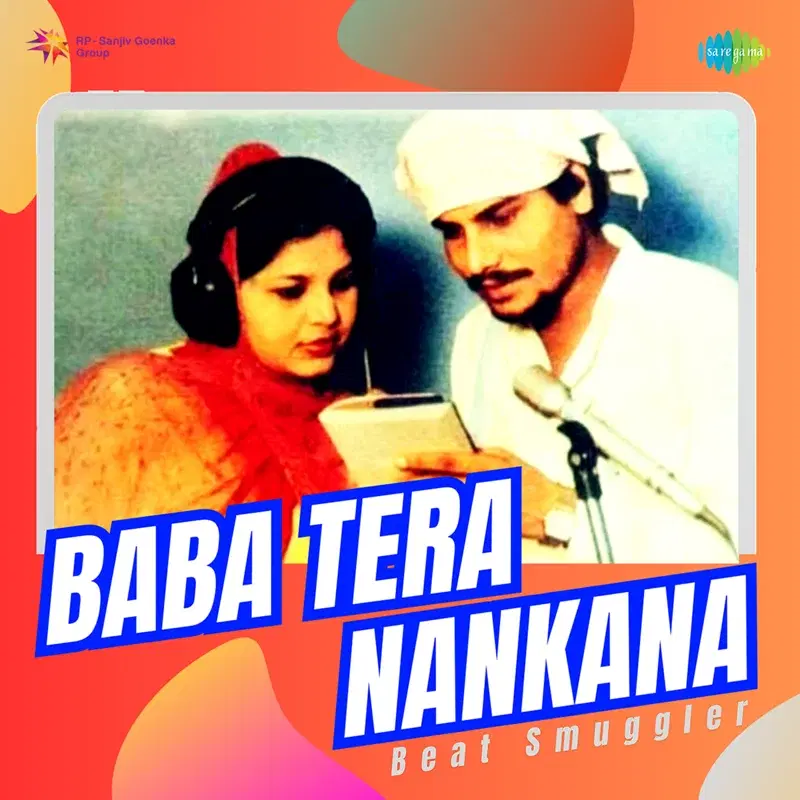
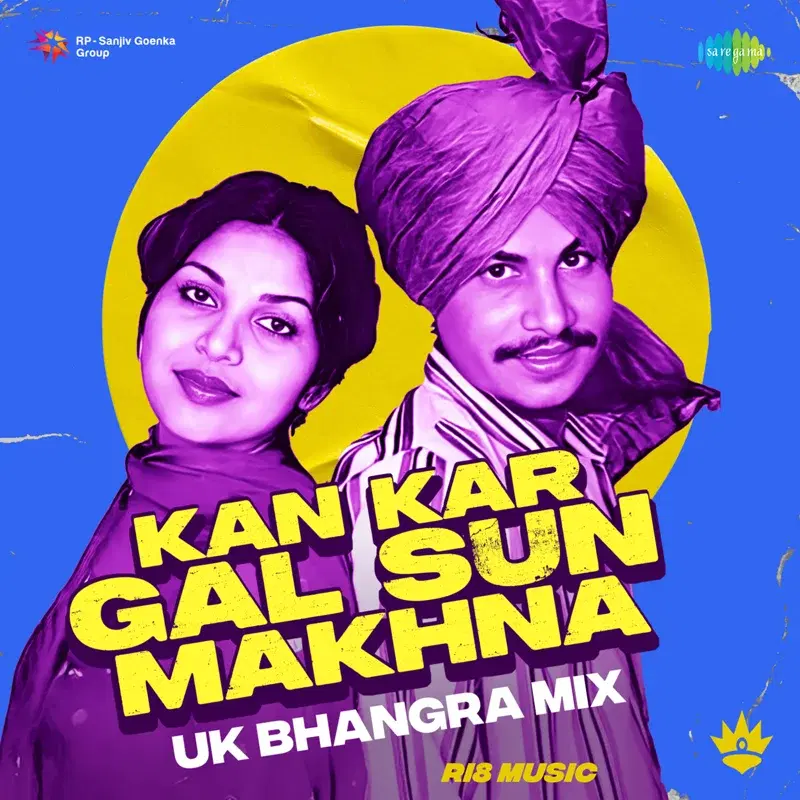
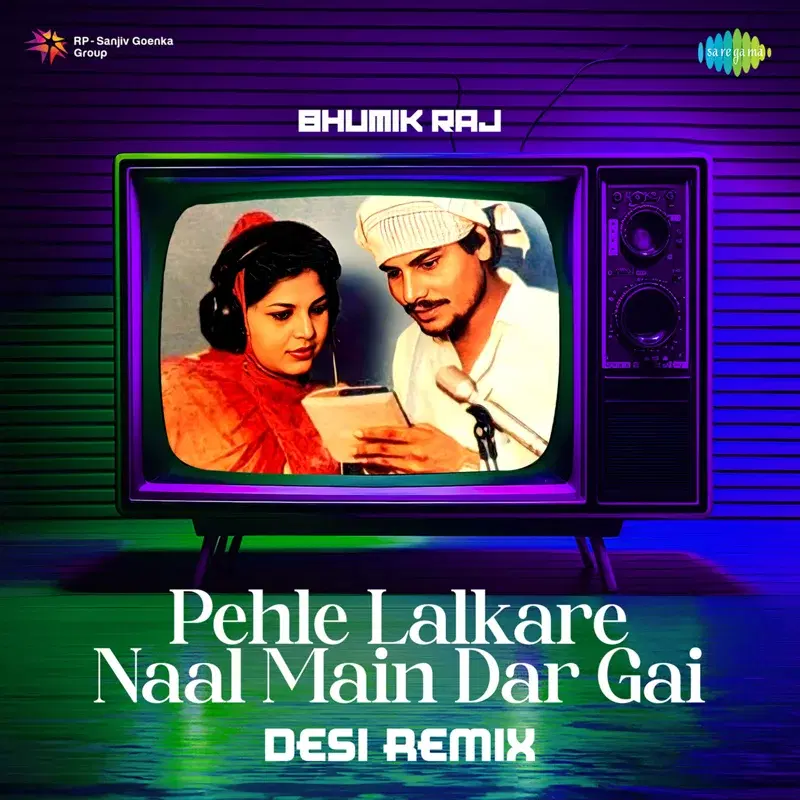
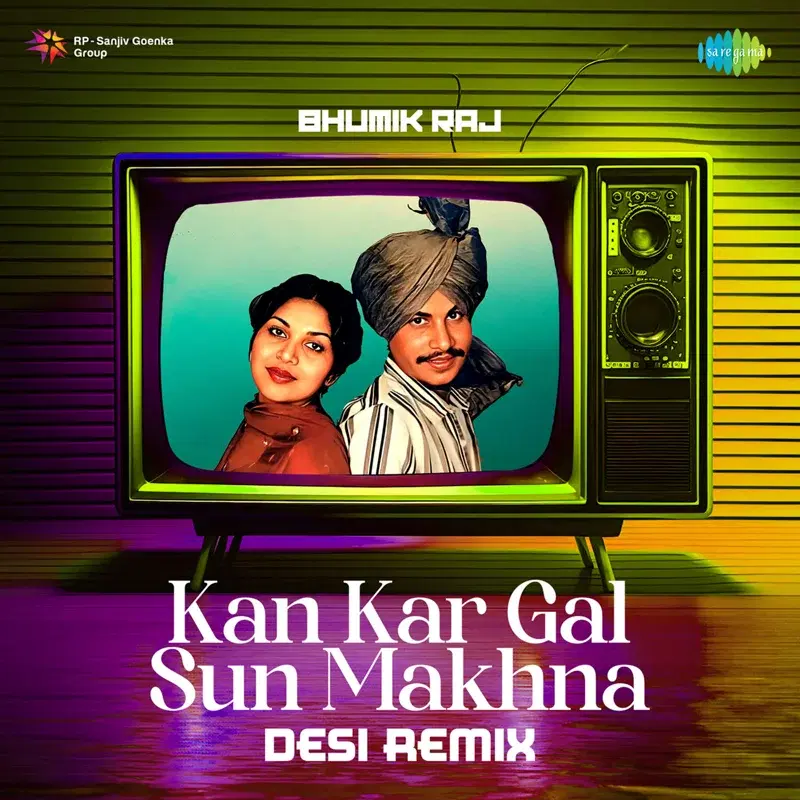
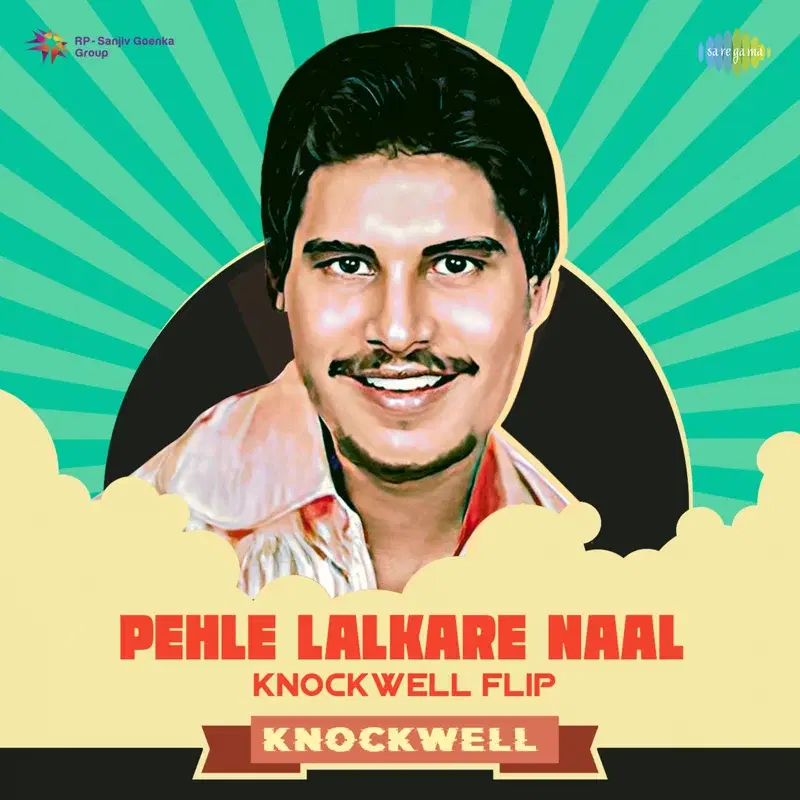
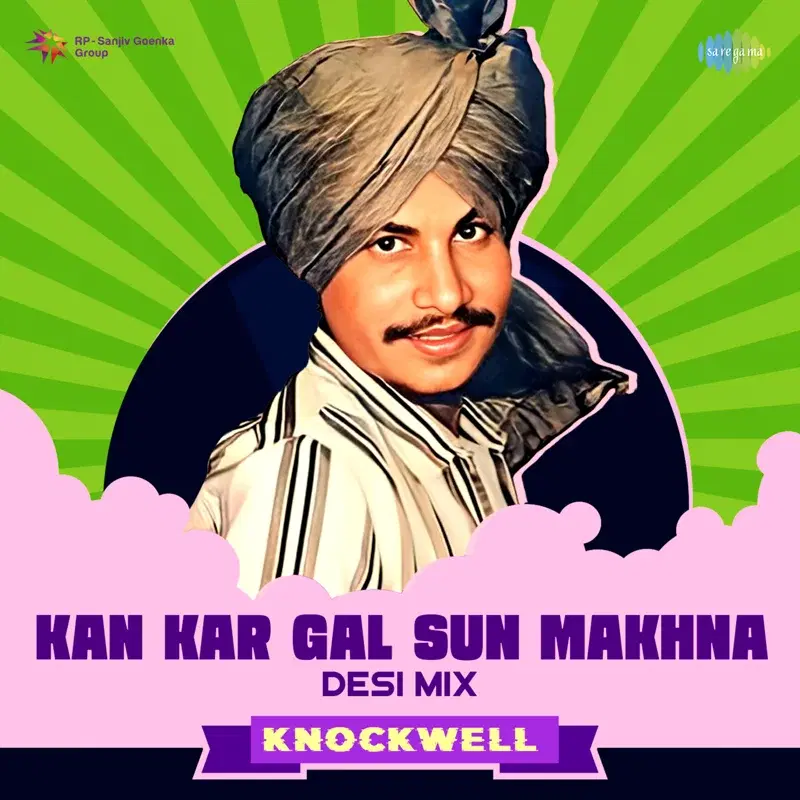
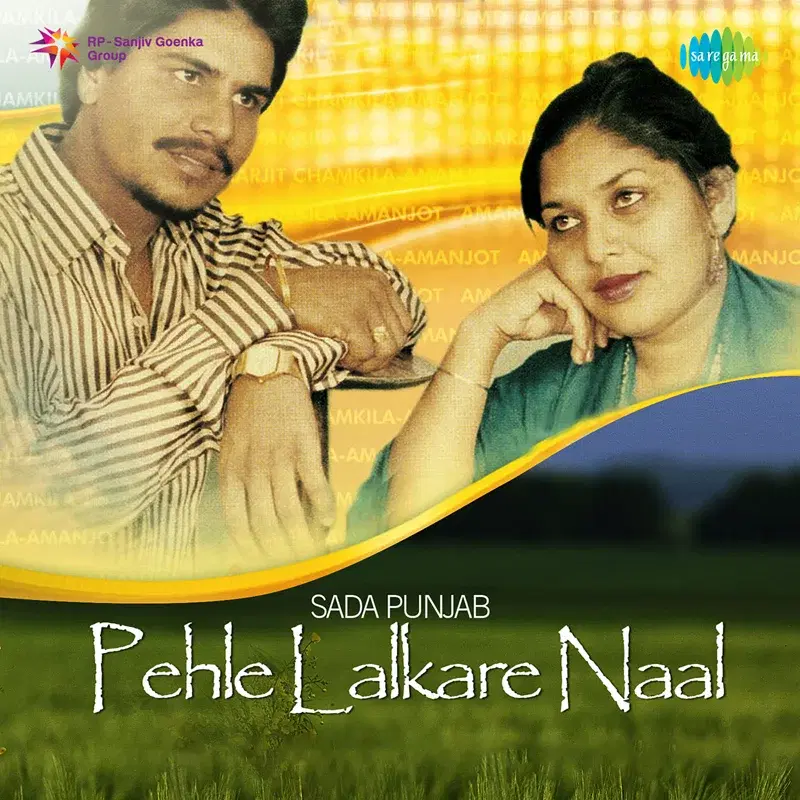
During the early 1980s, Chamkila rose rapidly to fame through songs that addressed everyday Punjabi life, relationships, social behaviour, migration, and rural culture with unusual directness. His energetic stage presence and earthy humour made him a major attraction at village fairs, weddings, and live concerts across Punjab. Songs such as “Pehle Lalkare Naal,” “Kan Kar Gal Sun Makhna,” “Jatt Di Dushmani,” “Baba Tera Nankana,” and “Talwar Main Kalgidhar Di” became widely popular.
On 8 March 1988, Amar Singh Chamkila and Amarjot Kaur were shot dead in Mehsampur, Punjab, shortly before a scheduled performance. Their murders remain one of the most discussed unresolved events in Punjabi music history. A loss that reverberated across the Punjabi music world and brought a singular career to an abrupt and tragic end. In the decades since, his recordings have continued to circulate widely through Saregama, introducing his voice and compositions to listeners well beyond his original era. The endurance of his catalog reflects the strength of the artistic vision he brought to every recording and performance, a body of work that continues to define the possibilities of Punjabi folk and duet music.